By Abdulmesih BarAbraham
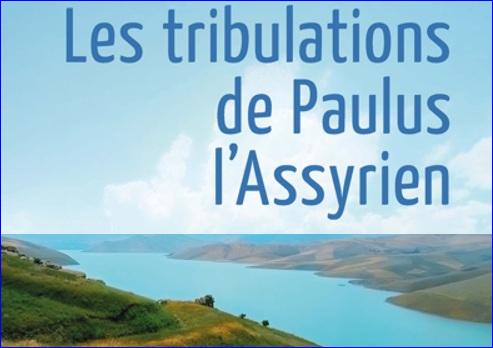 (AINA) -- In her new book, Claire Weibel Yacoub recounts the odyssey of an Assyrian in a historical novel about exile, war, and the unbroken will of a people. With Les tribulations de Paulus l'Assyrien (The Tribulations of Paulus the Assyrian), the French historian and specialist on the Assyro-Chaldean question, Claire Weibel Yacoub, presents a moving novel based on a true story.
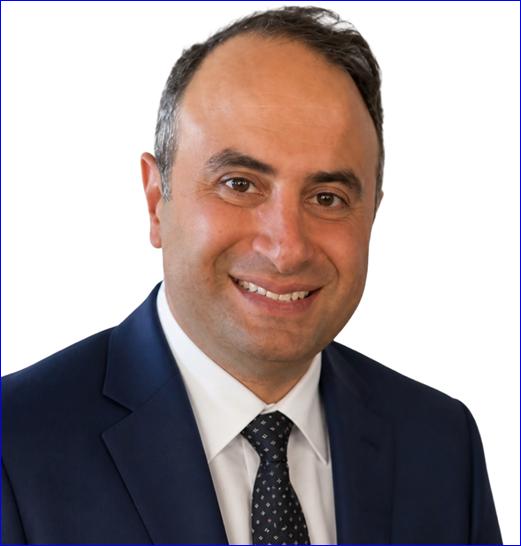 Hamilton, Ontario Canada (AINA) -- Dr. Nenos Damerchie, an Assyrian-Canadian chiropractor, small-business owner and longtime Hamilton resident, is running for Hamilton City Council in Ward 8 in the October 26, 2026 municipal election. Dr. Damerchie was born in Kuwait to an Assyrian family and came to Hamilton as a child.
By Dr. Sarah Yildiz
 (AINA) -- "The empires of the future are the empires of the mind." With this celebrated statement, Winston Churchill anticipated that great civilizations are measured not by their territorial expansion, but by their capacity to generate, preserve, and transmit knowledge.
 (AINA) -- The Ishtar Gate, currently housed at the Pergamon Museum in Germany, was a monumental gate to the inner city of ancient Babylon. It was built circa 575 BC by King Nebuchadnezzar II and was dedicated to the goddess Ishtar. The gate is famous for its bright blue glazed bricks and its symbolic animal designs.
By Namrood Shiba
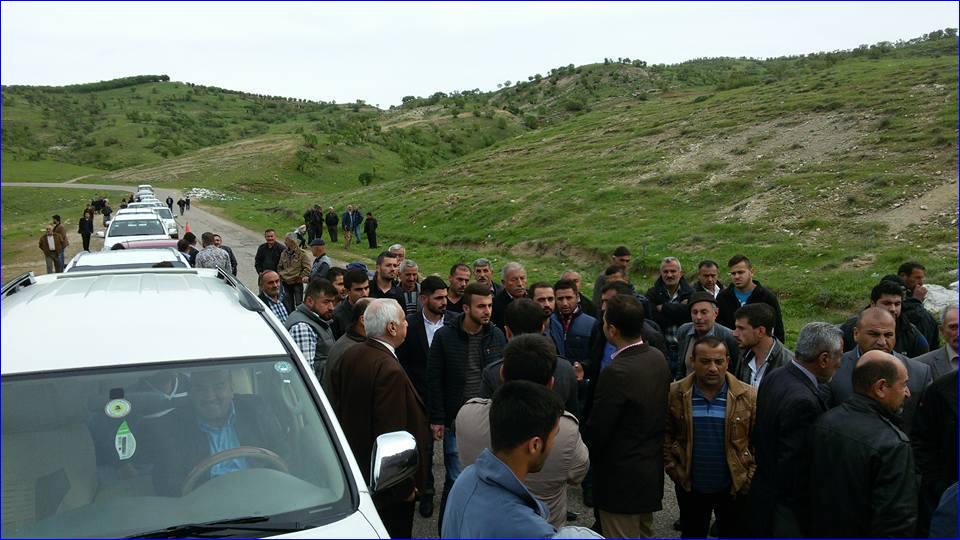 (AINA) -- For decades, the world has heard repeated claims that northern Iraq is a region of stability, security, and coexistence. However, many Assyrians living in their ancestral homeland continue to express serious concerns about intimidation, restrictions on their freedoms, and growing pressures that threaten their ability to preserve their identity, voice, and presence in the land of their...
By Namrood Shiba
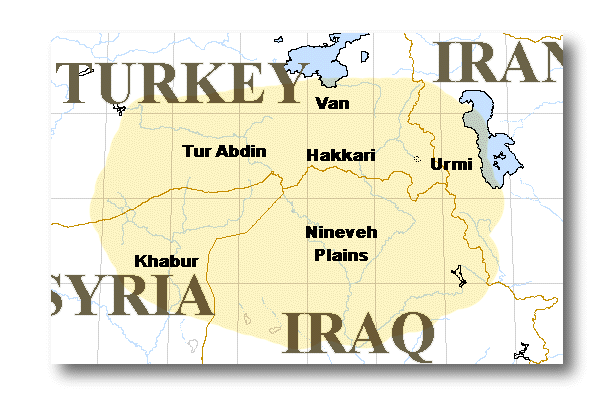 (AINA) -- Referring to Assyrians solely as "Christians" does not accurately represent an indigenous people with a distinct history, culture, language, and national identity. Christianity is an important part of Assyrian heritage and has played a significant role in Assyrian history, but it does not replace, define, or erase the Assyrian identity.
