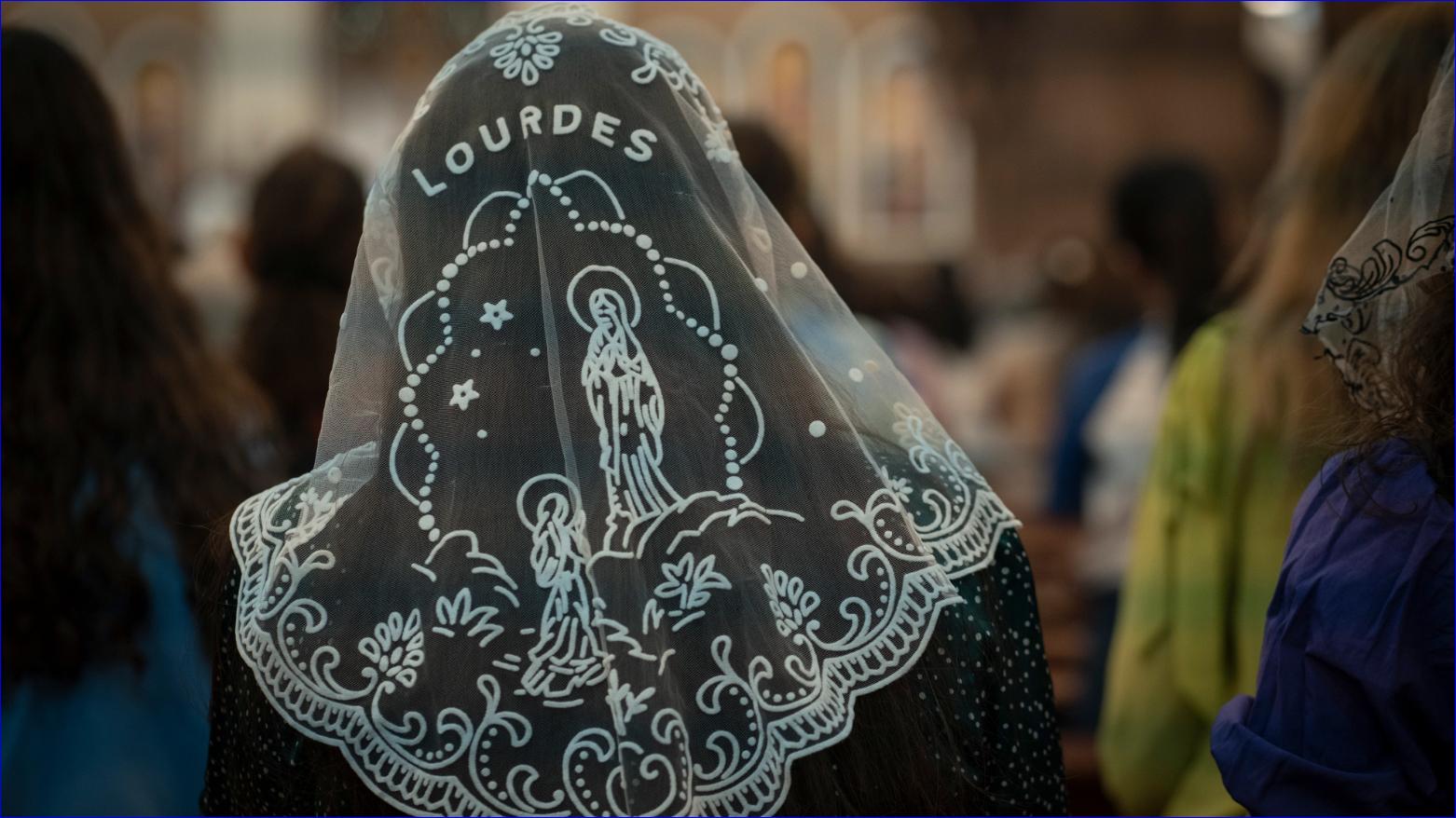
 Years after violence forced Christian families from Baghdad and other parts of Iraq, some of those displaced say repeated government promises have failed to give them enough confidence to return, leaving families still living with the physical, financial and emotional consequences of displacement.
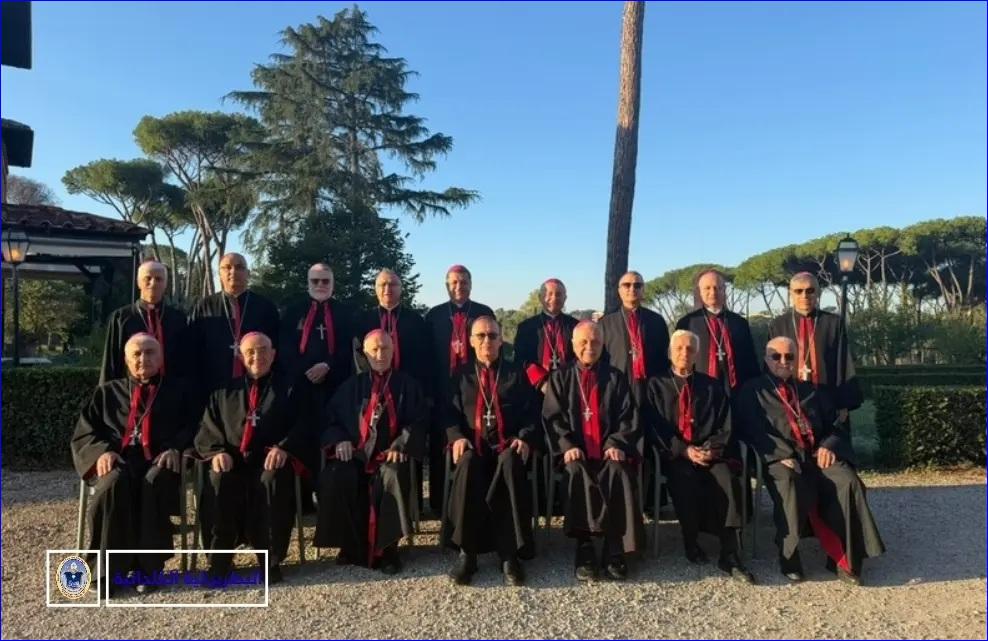 Rome -- The Chaldean bishops issued a final statement at the end of their synod, which was held in Rome from 16 to 19 October. In it they express "concerns about employment, stability, education, and the future" of families and the entire community," which is "very close to our hearts", and is "always present in our prayers and pastoral responsibility.
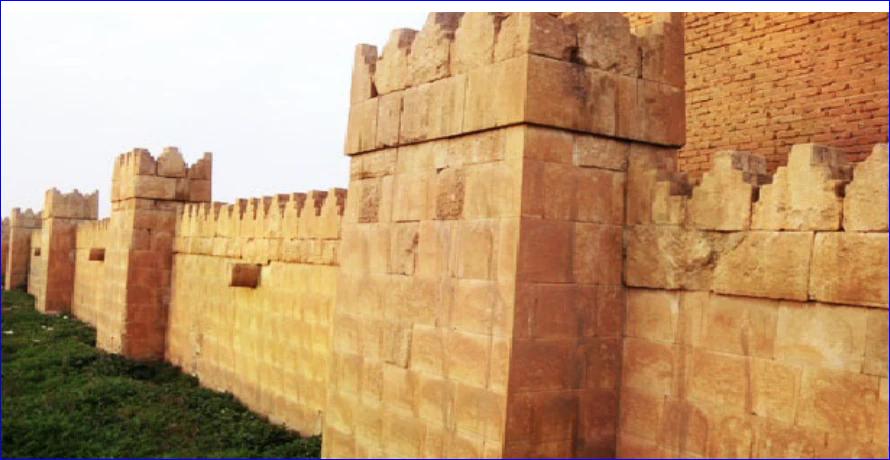 From ancient Assyrian heritage and Mosul's post-ISIS reconstruction to Sinjar's displaced communities and a recovering economy, Nineveh embodies both Iraq's extraordinary past and the challenges shaping its future. Nineveh has long stood at the crossroads of Iraq's history, culture, and identity.
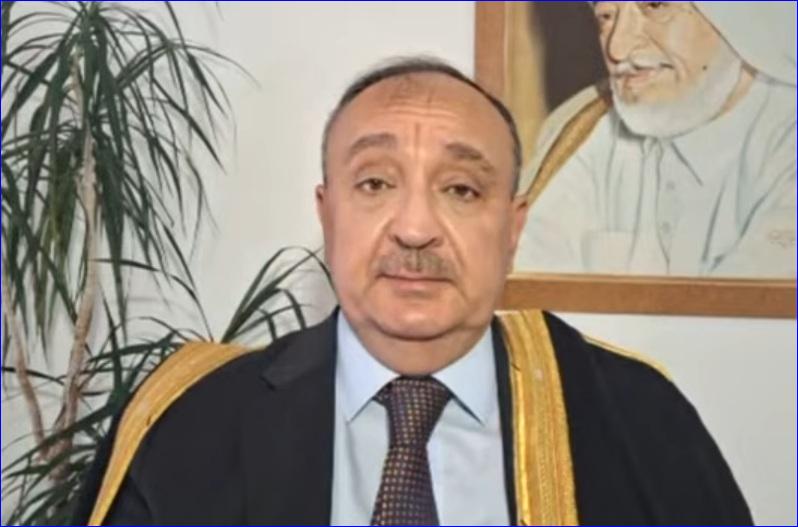 Yezidi Prince Anwar Muawiya has called for closer cooperation between Yezidis and Assyrian people, warning that continued displacement, political marginalization and disputes over historical identity threaten the future of both peoples in Iraq and the wider region.
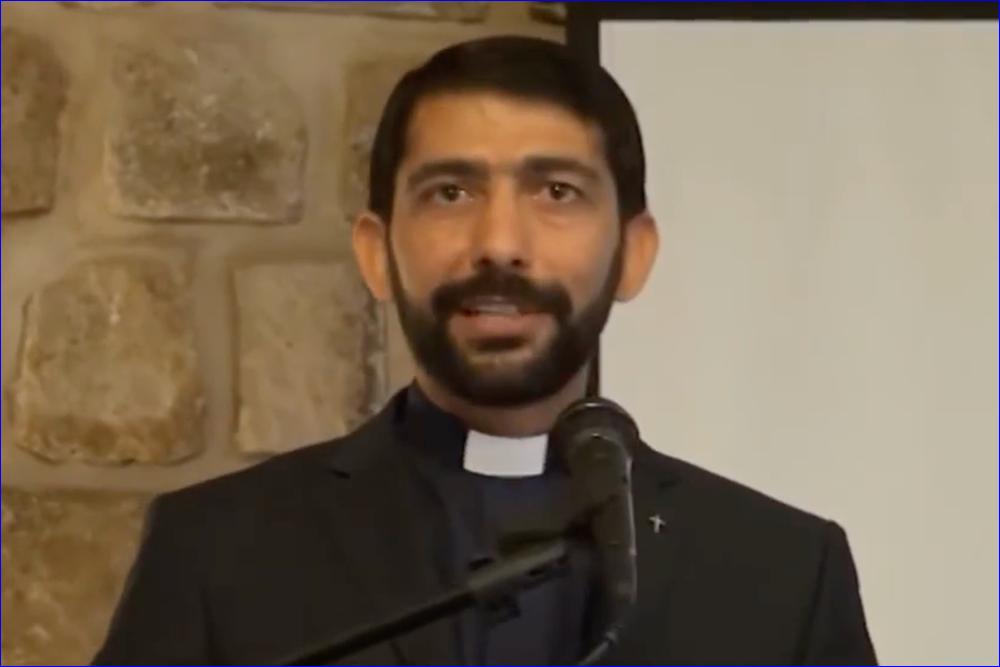 A newly published academic research paper by Dr. Daniel Sada delivers a rebuttal to controversial claims advanced by Kurdish Protestant pastor Ender Peker, challenging his attempted reclassification of the Indigenous Assyrians of Hakkari as ethnically Kurdish. Published on Academia.
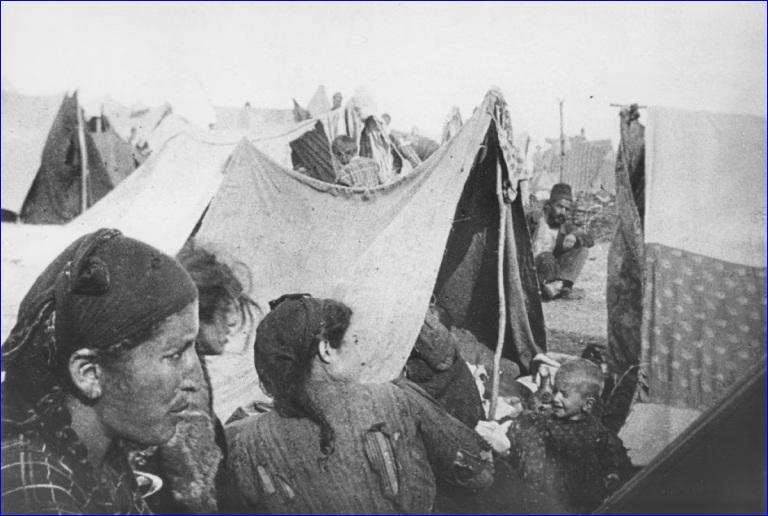 In the spring of 1915, as violence spread across the Ottoman Empire, Christian leaders in Merde (Mardin) feared for their communities' survival. Armenian Catholic Patriarch Ignatius Maloyan, Chaldean priests, French Dominican monks, and Assyrian Catholic Archbishop Gabriel Tappuni confronted a growing danger.
