


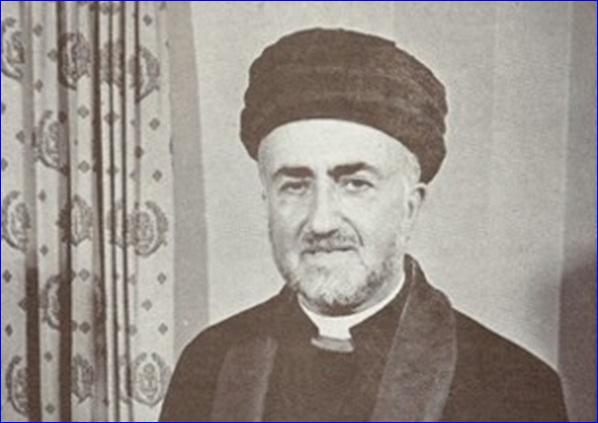
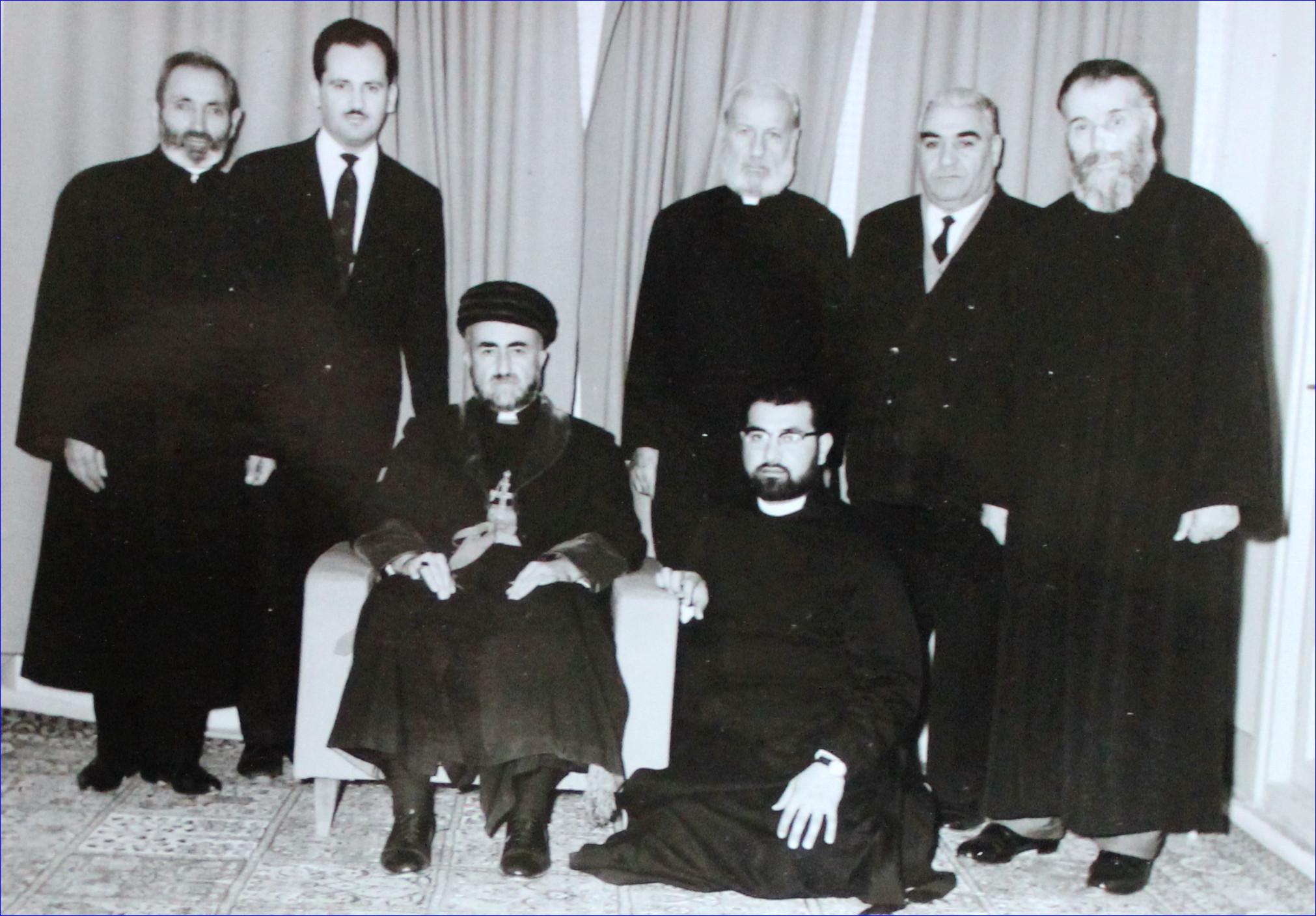
Born on February 26, 1908, Patriarch Eshai's journey was marked by deep commitment and difficult choices. Having assumed the patriarchal mantle at the remarkable age of twelve, he steered the Assyrian Church of the East through tumultuous decades, focusing on preserving faith, traditions, and the Assyrian language amid a dispersed diaspora. In later years, he attempted reforms to adapt the Church's structure and practices to changing times, decisions that stirred controversy and dissent within parts of the community.
The assassination of Patriarch Eshai reveals how fragile community cohesion can become when divisions deepen within, and grievances are left unresolved. Reports from the time indicate that the killer cited personal discontent over the patriarch's decisions; yet deeper examinations suggest the act may have been connected to broader internal disputes over leadership, tradition, and the future direction of the Church. The resulting rupture, spiritual, cultural, and communal, cost the community more than the life of one man; it threatened trust, unity, and the very inheritance of Assyrian identity.
From this painful episode emerges a set of lessons that remain relevant. First: as a people dispersed across nations, internal solidarity and mutual respect are vital. The greatest dangers to collective identity may arise not only from external persecution, but from internal disunity and unaddressed grievances. Second: leadership -- especially in minority communities -- must strive for transparency, empathy, and open dialogue. When decisions that affect many are made behind closed doors or without broad consultation, resentment may fester, undermining even the best of intentions. Third: while evolving traditions to meet new realities is often necessary, such changes demand careful handling, sensitivity to heritage, and ongoing conversation within the community.
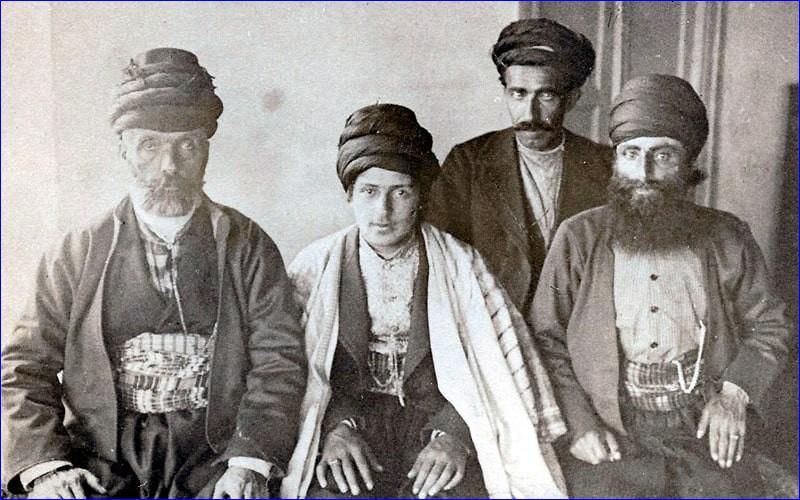
Finally, the memory of Patriarch Eshai's life and tragic end should serve as a call for reflection and unity. By remembering the harms that internal strife can bring, Assyrians today, whether in the homeland or diaspora, can recommit themselves to building institutions rooted in trust, open communication, and a shared sense of heritage. In honoring his legacy, they reaffirm that the survival of the Assyrian identity depends not just on resisting external threats, but on preserving solidarity from within.
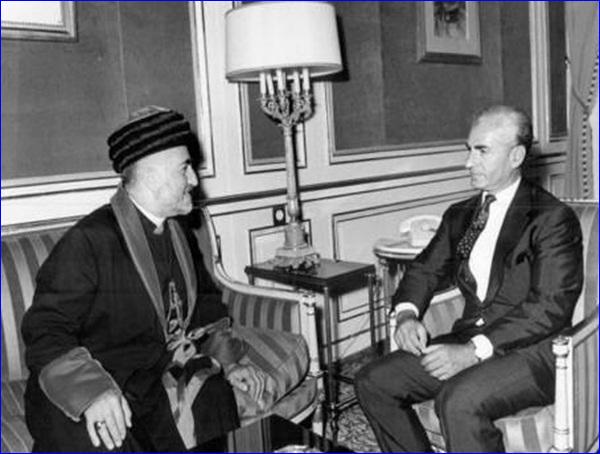
In the end, the death of a patriarch should never be forgotten, not for vengeance or blame, but for the lessons it carries. May the mourning that followed his passing remind us always that unity, understanding, and humility are the true guardians of a people's future.
Guest Editorial Policy
or register to post a comment.