


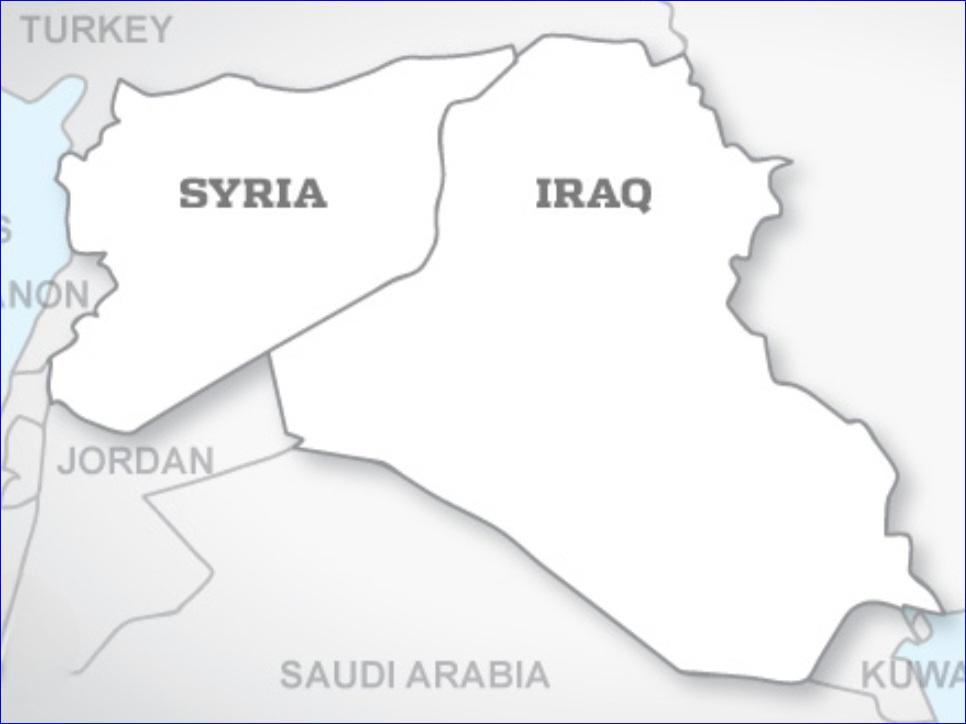
Neither the Kurdistan Democratic Party leadership in Erbil nor the SDF administration in northeastern Syria represents a sovereign state under international law. While engagement with non-state actors may at times be tactically justified, it must not undermine state sovereignty, territorial integrity, or constitutional order, especially when conducted without transparency or coordination with the legitimate governments in Baghdad and Damascus.
These concerns are heightened by the cross-border political role played by the Barzani leadership in Syrian affairs, which raises legitimate questions as to whether such interactions promote stability or instead contribute to parallel governance structures that risk fragmenting Iraq and Syria.
Equally concerning are the persistent and documented grievances of indigenous Assyrian communities in both countries. In Iraq, these concerns are concentrated in the Nineveh Plains, including Qaraqosh (Bakhdida), Bartella, Karamlesh, Tel Keppe, Batnaya, and Telskuf, as well as in Ankawa and parts of Erbil, where reports cite land confiscation, demographic pressure, and administrative coercion. Additional complaints have emerged from Dohuk Governorate, where Assyrian villagers report seizure of agricultural lands and obstacles to return.
In Syria, Assyrian communities in the Khabur River region, including Tel Tamer, Tel Nasri, Tel Hermiz, Tel Shamiram, Tel Tawil, and Tel Maghas, as well as areas of Hasakah and Qamishli, have reported forced displacement, property seizures, exclusion from local governance, and the imposition of policies that disregard the region's historical identity.
These are not abstract allegations. They involve confiscated homes, appropriated farmland, emptied villages, and imposed administrative realities without effective legal remedies for the indigenous population. Such practices erode trust, deepen communal divisions, and contradict the principles of minority protection and pluralism that the United States has long advocated.
Assyrian frustration is further amplified by perceptions that Kurdish political leadership often distances itself from Iraqi or Syrian national identity while exercising de facto control over internationally recognized Iraqi and Syrian territories. This contradiction fuels mistrust and recalls earlier historical episodes that undermined state cohesion.
In light of these realities, we respectfully call upon the American administration, under President Donald Trump, and its envoys to reconsider this approach. Lasting stability cannot be achieved by bypassing legitimate governments, empowering non-state actors without accountability, or overlooking the rights of indigenous peoples.
The United States has an opportunity to pursue a more balanced policy--one that respects sovereignty, rejects partition, and actively protects indigenous Assyrian communities in Iraq and Syria through monitoring, accountability, and direct engagement. Addressing these concerns seriously is essential to building a unified, pluralistic, and stable future for both countries.
Guest Editorial Policy
or register to post a comment.