By Namrood Shiba
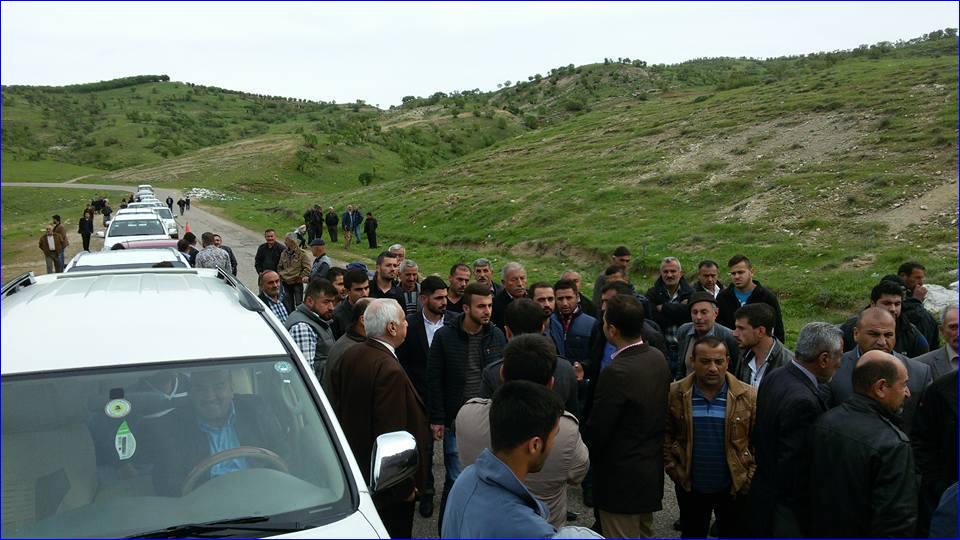 (AINA) -- For decades, the world has heard repeated claims that northern Iraq is a region of stability, security, and coexistence. However, many Assyrians living in their ancestral homeland continue to express serious concerns about intimidation, restrictions on their freedoms, and growing pressures that threaten their ability to preserve their identity, voice, and presence in the land of their...
By Namrood Shiba
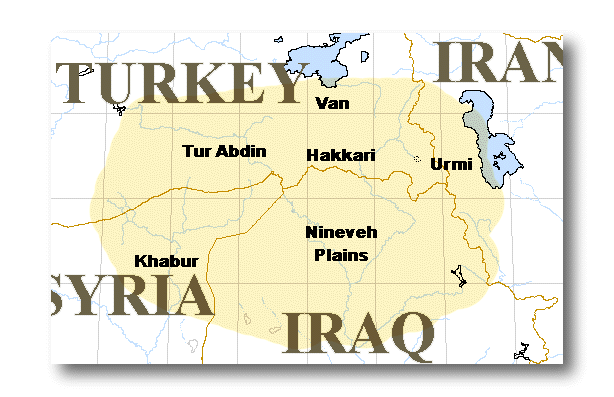 (AINA) -- Referring to Assyrians solely as "Christians" does not accurately represent an indigenous people with a distinct history, culture, language, and national identity. Christianity is an important part of Assyrian heritage and has played a significant role in Assyrian history, but it does not replace, define, or erase the Assyrian identity.
By Namrood Shiba
(AINA) -- The indigenous Assyrian people continue to face immense pressure in their ancestral homeland, the land of Assur, Assyria. Our ancestral homeland remains under the control of authorities who occupy our historic lands and, according to numerous reports from members of our community, are pursuing policies that marginalize the indigenous Assyrian population through intimidation, restrictions...
By Daniel Sada
(AINA) -- The historical relationship between the designations Assyria, Syria, and Syriac has long occupied a central place in discussions of Near Eastern history, historical linguistics, and communal identity.
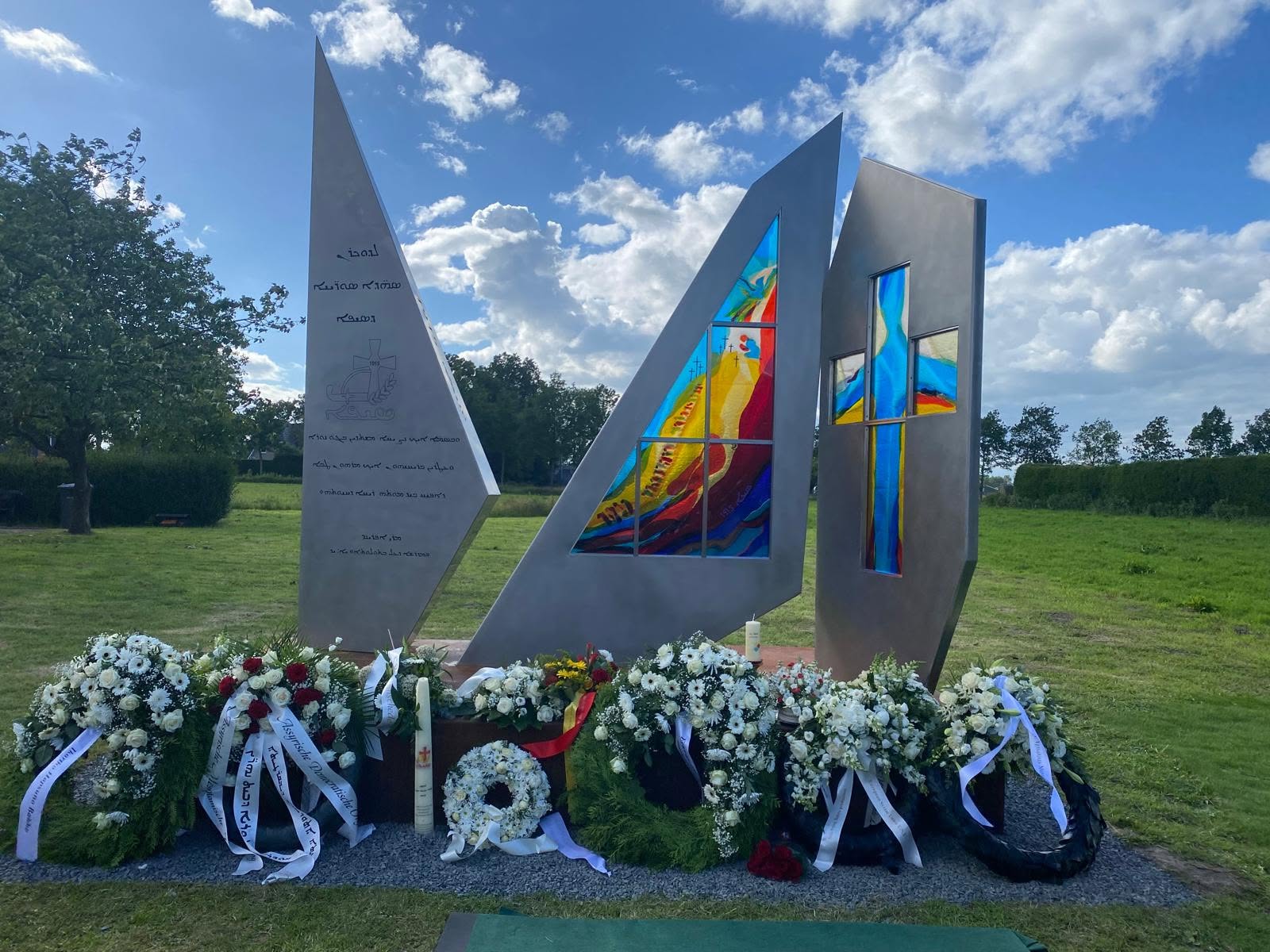 Glane, Netherlands (AINA) -- An Assyrian Genocide memorial has been erected at the St. Ephrem Monastery in Glane, Netherlands. This is the 23rd Assyrian Genocide monument in the world. The Assyrian Genocide occurred between 1915 and 1918 during World War One, and was perpetrated by Ottoman Turkey, with the help of Kurds, who were hired as the henchmen of Turkey.
 (AINA) -- Josephine Zomayah Attisha is the founder of Community Helping All-Inclusively (CHAI ACS1), an organization founded to support Assyrian community development. Rooted in service to the Assyrian (also known as Chaldean Syriac people), CHAI ACS works to strengthen community institutions, preserve cultural heritage, and support families across the homeland and diaspora.
