According to a report by Christian Solidarity International (CSI), Christians and other minorities are at greater risk of being killed or abducted under the Syrian Transitional Government led by Ahmed al-Sharaa. The transitional government replaced the 54-year-old-dictatorship of Bashar al-Assad when it collapsed in December 2024.
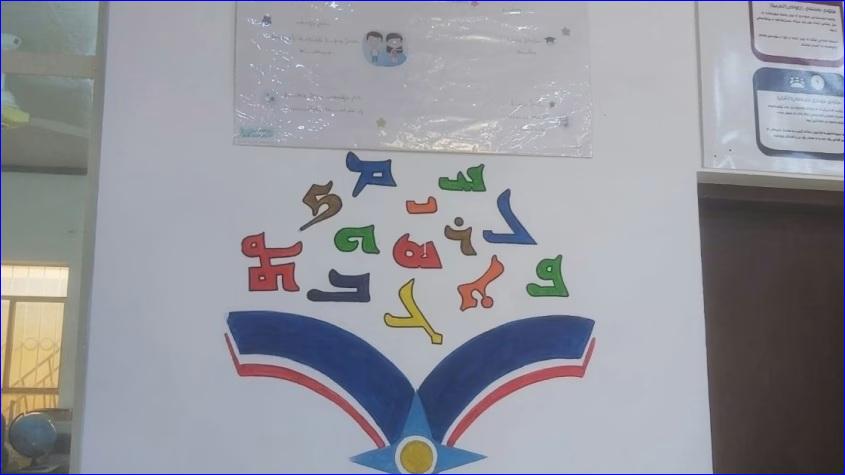 The state of Assyrian language education in the Kurdistan Region of Iraq (KRI) has returned to the forefront following a visit by a delegation from the Assyrian Writers and Authors Union to the General Directorate of Education in the Soran Independent Administration.
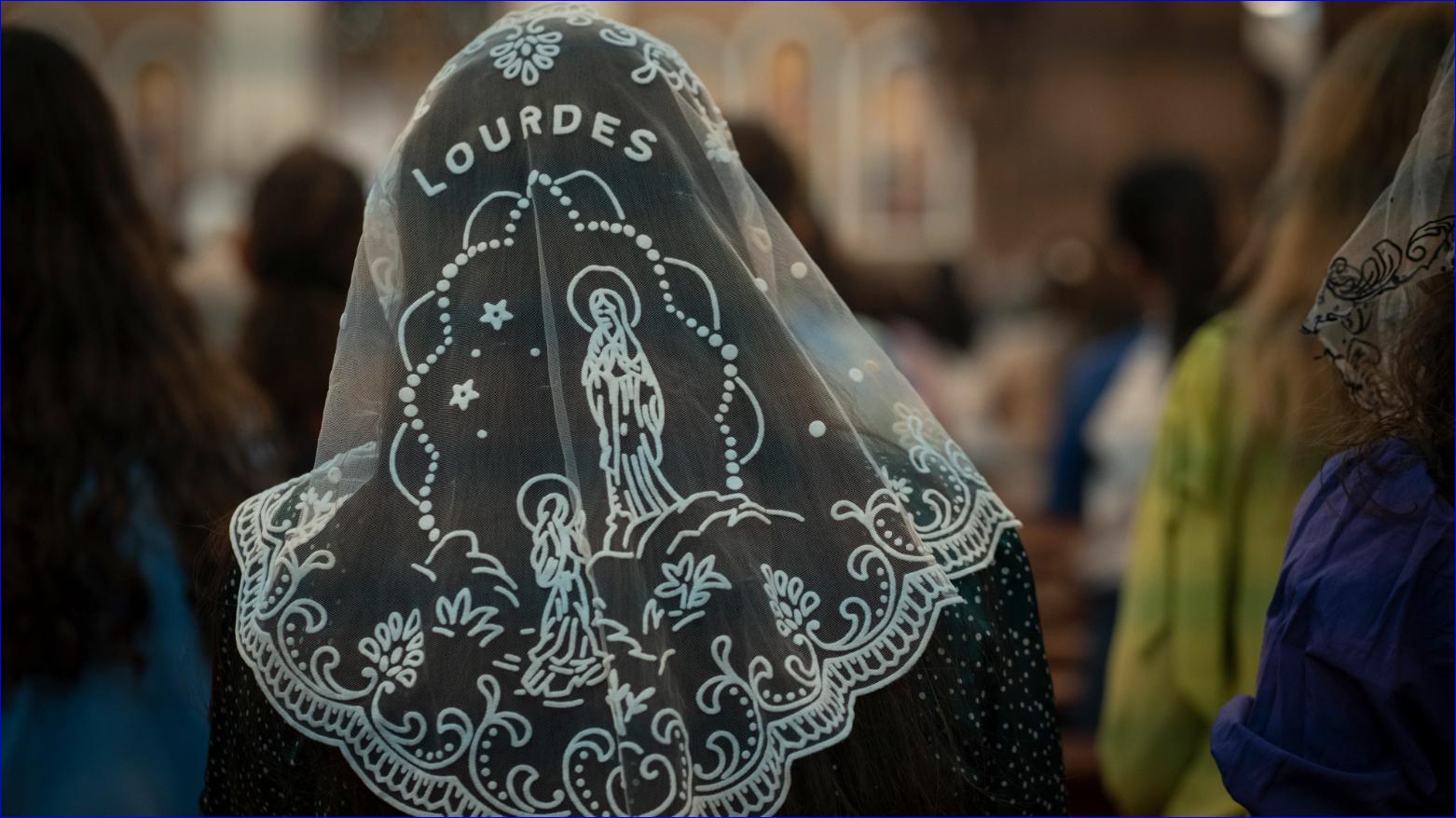 Years after violence forced Christian families from Baghdad and other parts of Iraq, some of those displaced say repeated government promises have failed to give them enough confidence to return, leaving families still living with the physical, financial and emotional consequences of displacement.
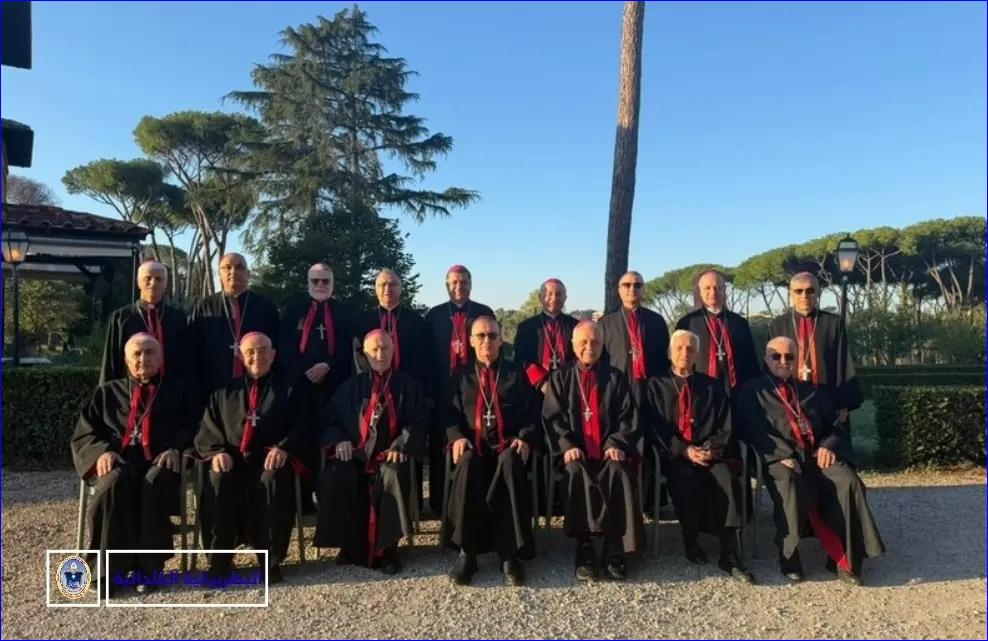 Rome -- The Chaldean bishops issued a final statement at the end of their synod, which was held in Rome from 16 to 19 October. In it they express "concerns about employment, stability, education, and the future" of families and the entire community," which is "very close to our hearts", and is "always present in our prayers and pastoral responsibility.
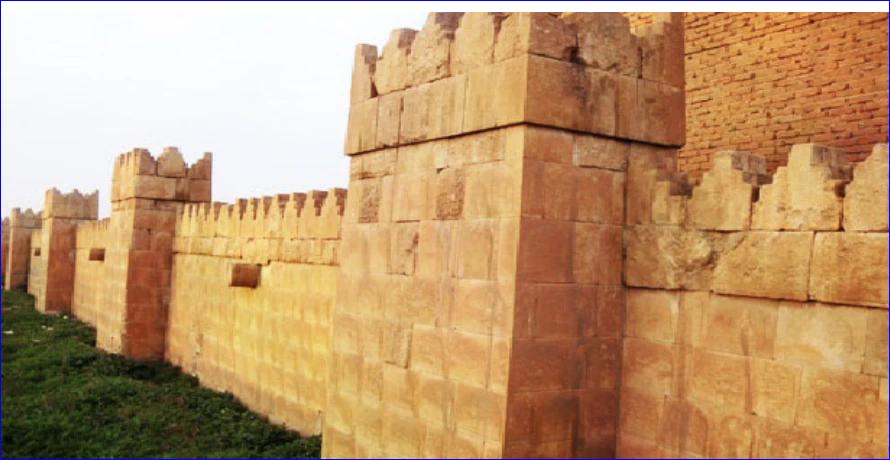 From ancient Assyrian heritage and Mosul's post-ISIS reconstruction to Sinjar's displaced communities and a recovering economy, Nineveh embodies both Iraq's extraordinary past and the challenges shaping its future. Nineveh has long stood at the crossroads of Iraq's history, culture, and identity.
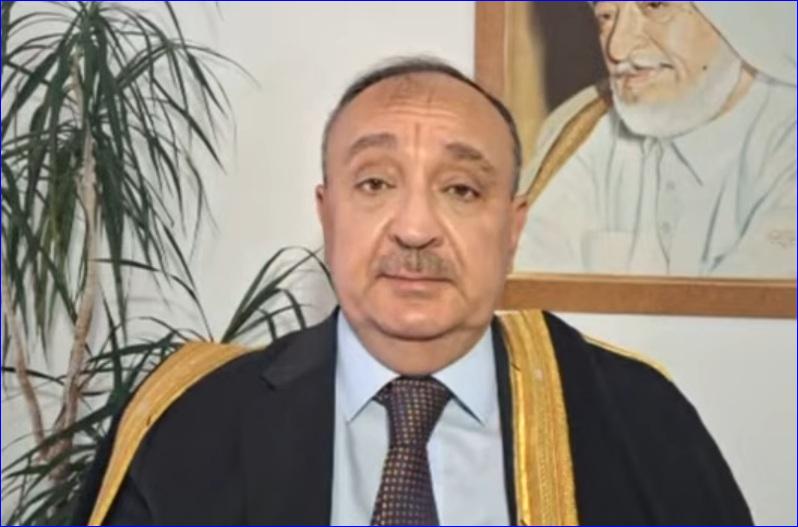 Yezidi Prince Anwar Muawiya has called for closer cooperation between Yezidis and Assyrian people, warning that continued displacement, political marginalization and disputes over historical identity threaten the future of both peoples in Iraq and the wider region.
