The Oldest Library
By Arief Nurrachman
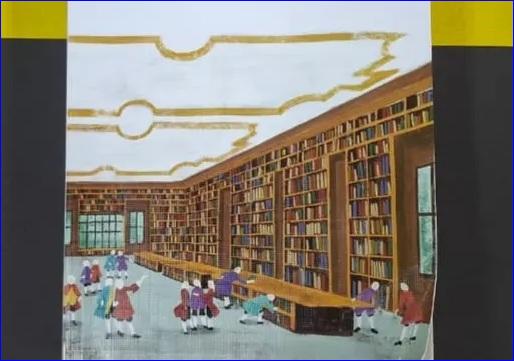 Libraries must be able to adapt to the changing times. This aligns with what was once proposed by S.R. Ranganathan, the father of Library Science in India, in response to library services for its patrons.

Libraries must be able to adapt to the changing times. This aligns with what was once proposed by S.R. Ranganathan, the father of Library Science in India, in response to library services for its patrons.
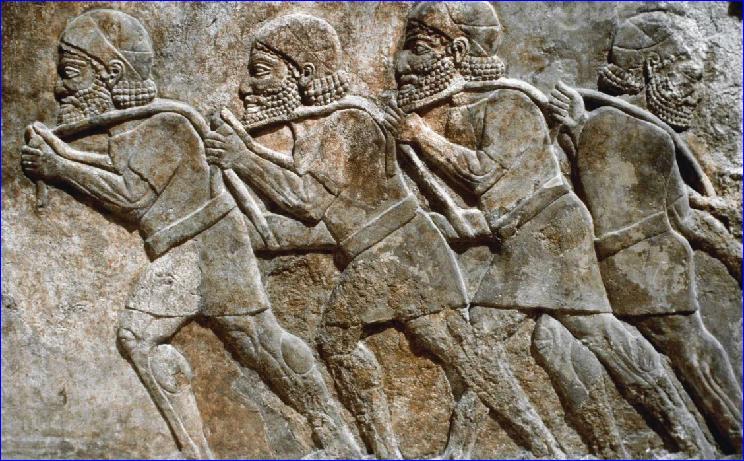
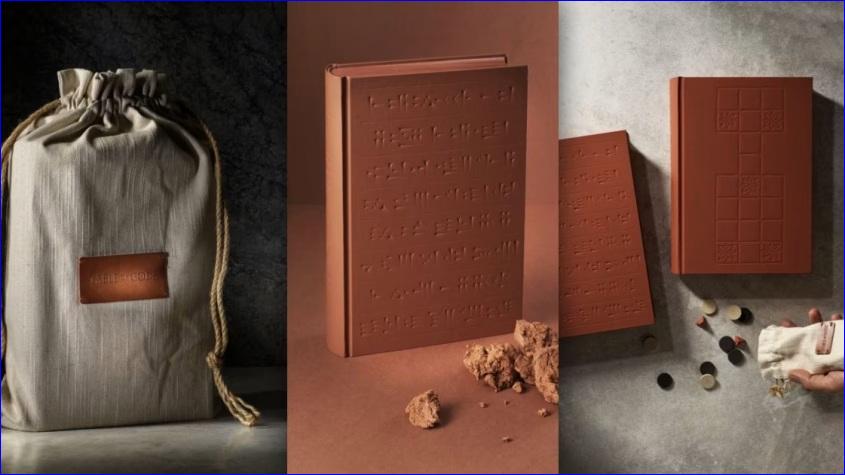 Stockholm -- The history of the ancient civilizations and peoples of Beth Nahrin (Mesopotamia), whom the Suroyo (Syriac--Aramean--Assyrian--Chaldean) people today regard as their ancestors, successors and continuation, extends far beyond science, inventions, economics, trade, language, and military affairs.
 Alongside those early accounting systems, the Mesopotamians developed the world's first spreadsheets, as well as sophisticated banking systems. They also invented the concept of credit -- and, with it, interest-bearing loans.
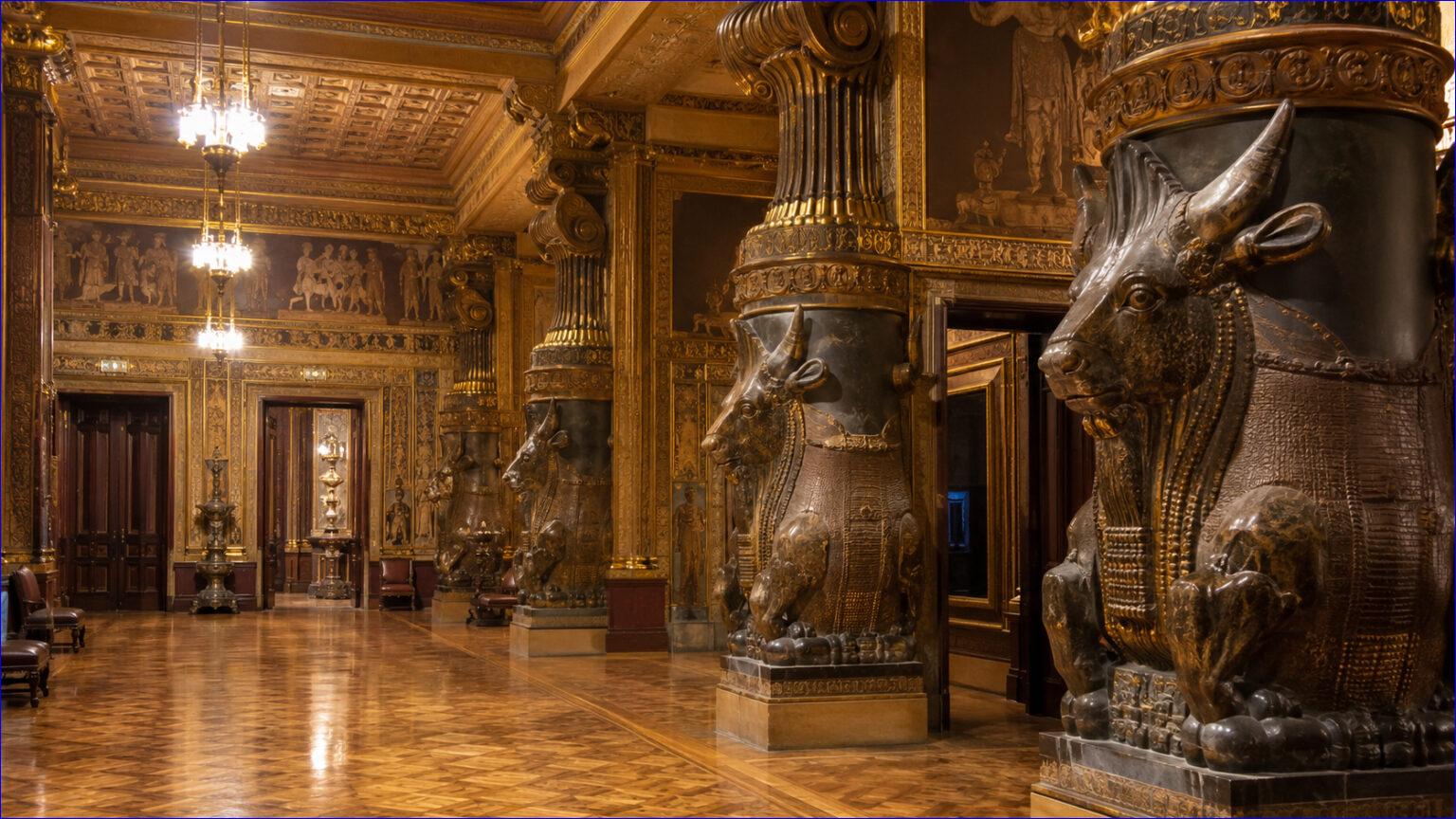 An ancient Persian inscription, preserved since the inauguration of the Theatro Municipal do Rio de Janeiro in 1909, was finally deciphered after remaining untranslated for about 117 years. Furthermore, the discovery was made by professors Alex Mazzanti, from the Federal University of Rio de Janeiro (UFRJ), and Matheus Treuk, from the State University of Rio de Janeiro (Uerj).
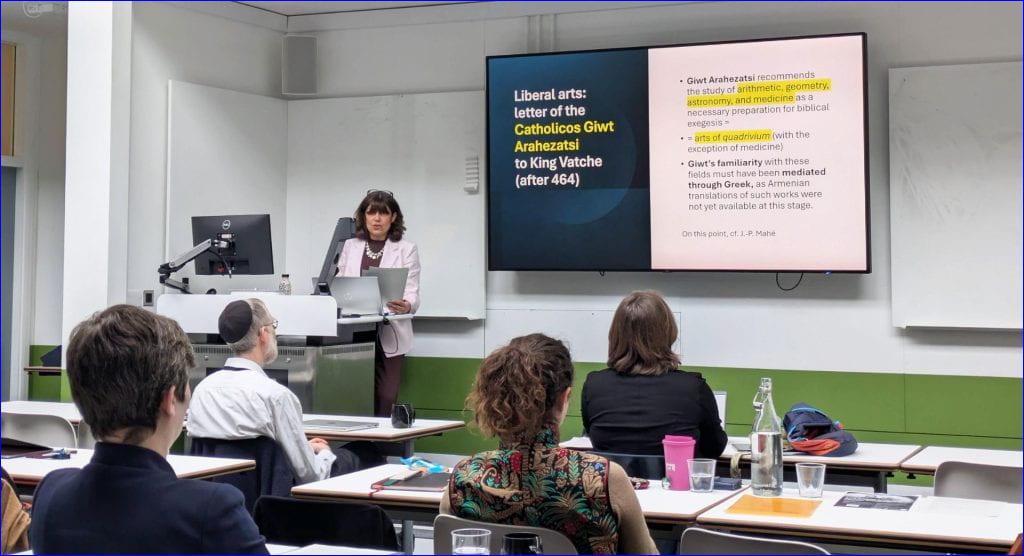 On 10 June 2026, the NEAstr project team held its second workshop, on the theme of 'Late antique astronomical sciences in medieval compendia'. Few pre-medieval witnesses of late antique scientific works survive, and most manuscripts available to scholars were copied centuries after the composition of the texts.
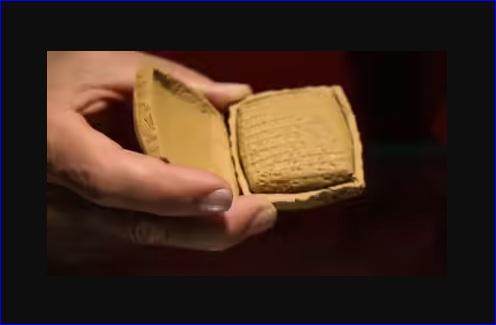 A small clay tablet no larger than a modern handheld document is offering an extraordinary glimpse into the commercial world of Anatolia nearly 4,000 years ago. Now on display at the Kayseri Archaeology Museum, the cuneiform tablet remained sealed inside its original clay envelope for millennia.