The Oldest Library
By Arief Nurrachman
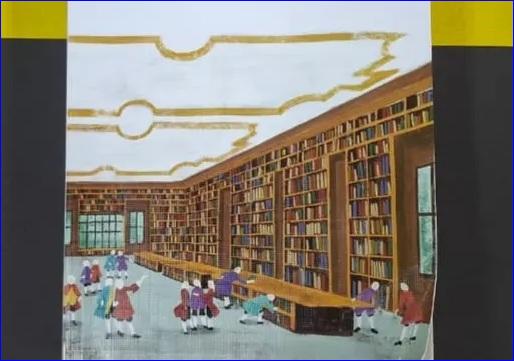 Libraries must be able to adapt to the changing times. This aligns with what was once proposed by S.R. Ranganathan, the father of Library Science in India, in response to library services for its patrons.

Libraries must be able to adapt to the changing times. This aligns with what was once proposed by S.R. Ranganathan, the father of Library Science in India, in response to library services for its patrons.
 Zurich -- Christians and other religious minorities in Syria continued to face killings, abductions, arbitrary detentions, and sectarian attacks during the third quarter of 2026, according to a report published by Christian Solidarity International (CSI).
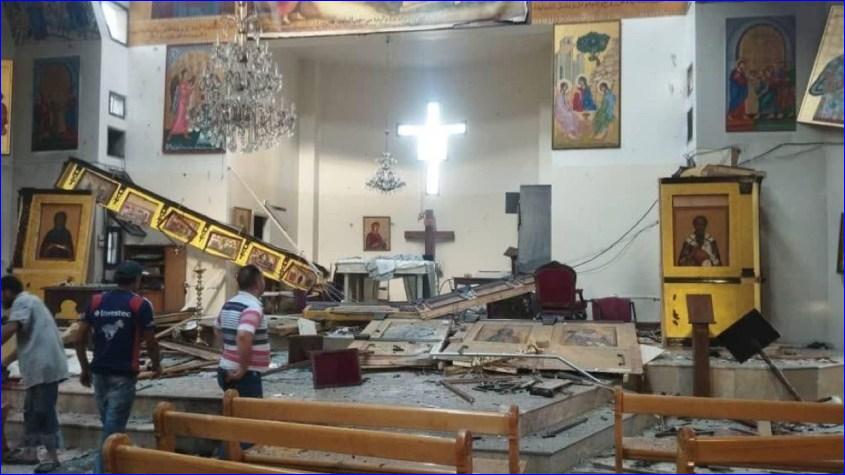 Washington -- US Congressman Ryan Mackenzie introduced legislation this week seeking to hold Syrian officials accountable for serious human rights abuses against religious and ethnic communities, including Christians and Alawites, as international concern grows over the safety of vulnerable populations during Syria's political transition.
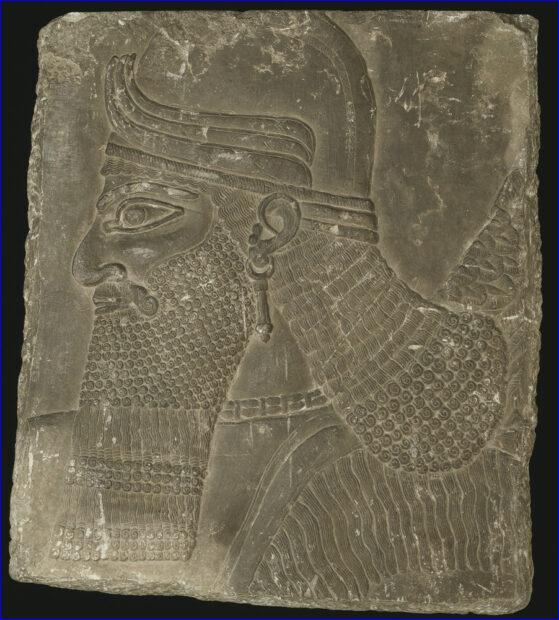 The exhibition Kingship and Power in Ancient Assyria is one you might miss entirely without realizing it, as you meander through the ancient Mediterranean galleries at the San Antonio Museum of Art (SAMA). It highlights a single artifact: an Assyrian relief carving on a rectilinear slab of alabaster of 26 by 23 inches, on loan from the Art Institute of Chicago.
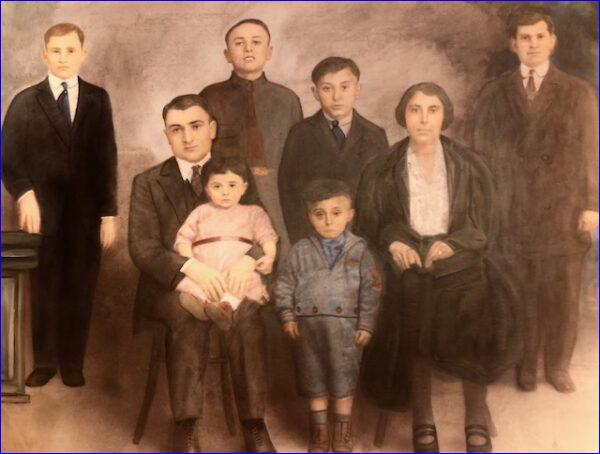 In 2020, just as quarantines were being lifted during the global pandemic, Dr. Julia Hallisy discovered that she was one generation removed from genocide. Hallisy had always assumed that her family's immigration story followed the common narrative of coming to America for greater opportunities and a better life.
 The European Day of Languages is celebrated each year on September 26. It was established in 2001 by a joint initiative of the Council of Europe and the European Commission. Although Turkey is a member of the Council of Europe, its linguistic policies have led to the eradication of many native languages spoken on its soil.
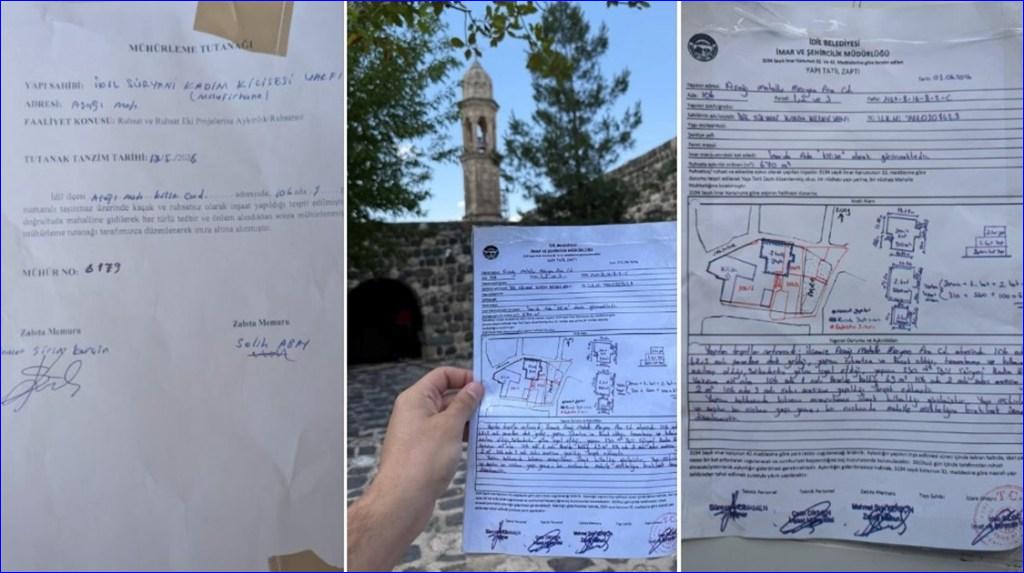 Tur Abdin, Turkey -- The International Idil (Azech) Assyrian Federation has accused Azech Mayor Türkan Kayir of using municipal powers to target Assyrian residents and their properties. The Federation alleges that recent sealing and demolition orders are part of personal disputes--rather than impartial enforcement of municipal regulations--and a retaliation campaign against members of the Assyrian...
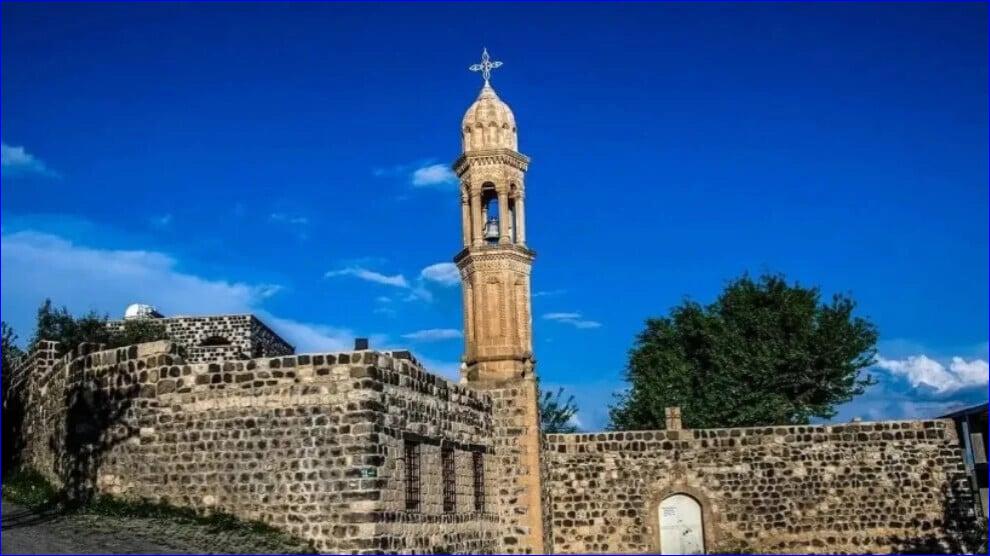 Turkey -- The AKP-run municipal administration in the Idil district of Sirnak province is issuing demolition orders against homes and commercial premises belonging to members of the Assyrian community. Four of the affected Assyrian citizens have already initiated legal proceedings against the measures. Nevertheless, their buildings were demolished before the court could rule on their objections.
Midyat, Turkey -- The Second Civil Court of First Instance in Medyad (Midyat) has ruled that members of a Assyrian family from Tur Abdin may not officially change their Turkish surname to their original Assyrian family name, Assyrian newspaper Gazete Sabro reports. The ruling concerns members of a Assyrian family registered in the village of Anhel (Yemisli) in Tur Abdin.
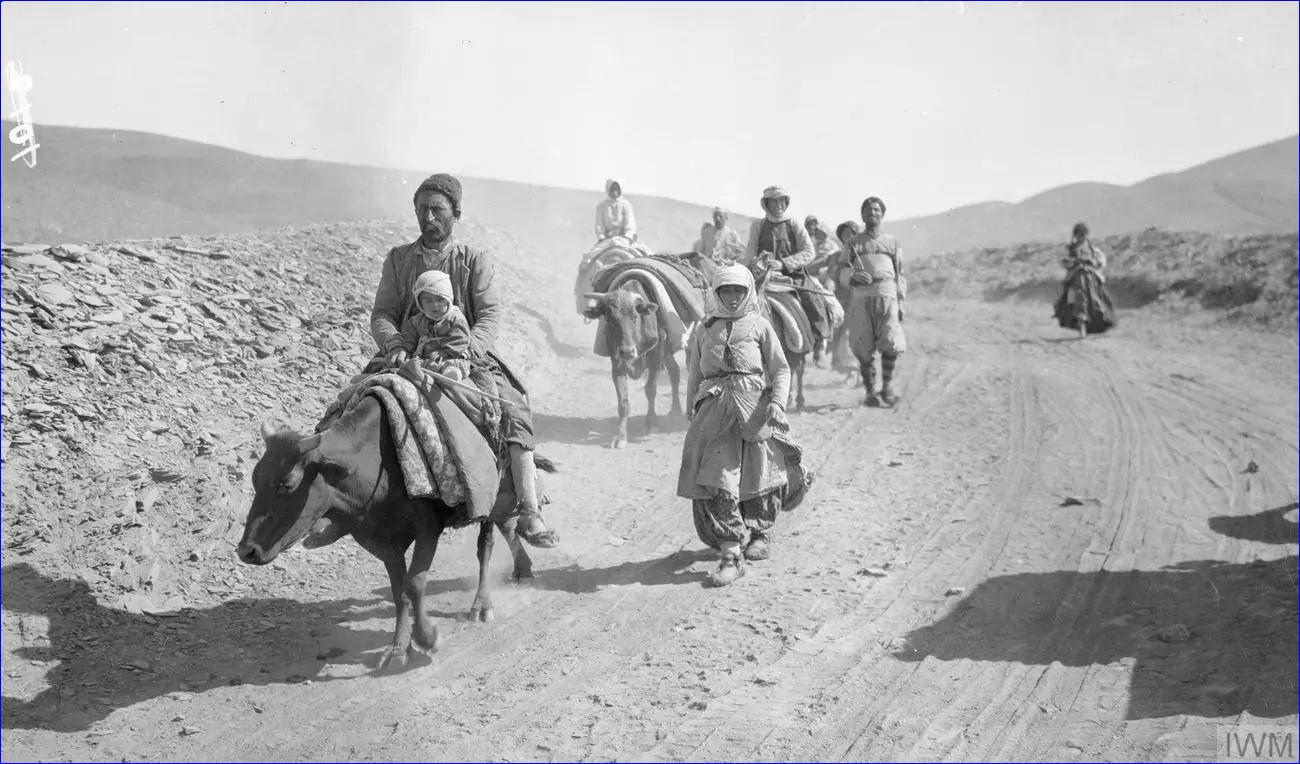 In a previous article about jizya, the author argued that the poll tax imposed on Christians and Jews under Islamic rule functioned as a religiously mandated instrument of subjugation rather than a reciprocal protection fee.
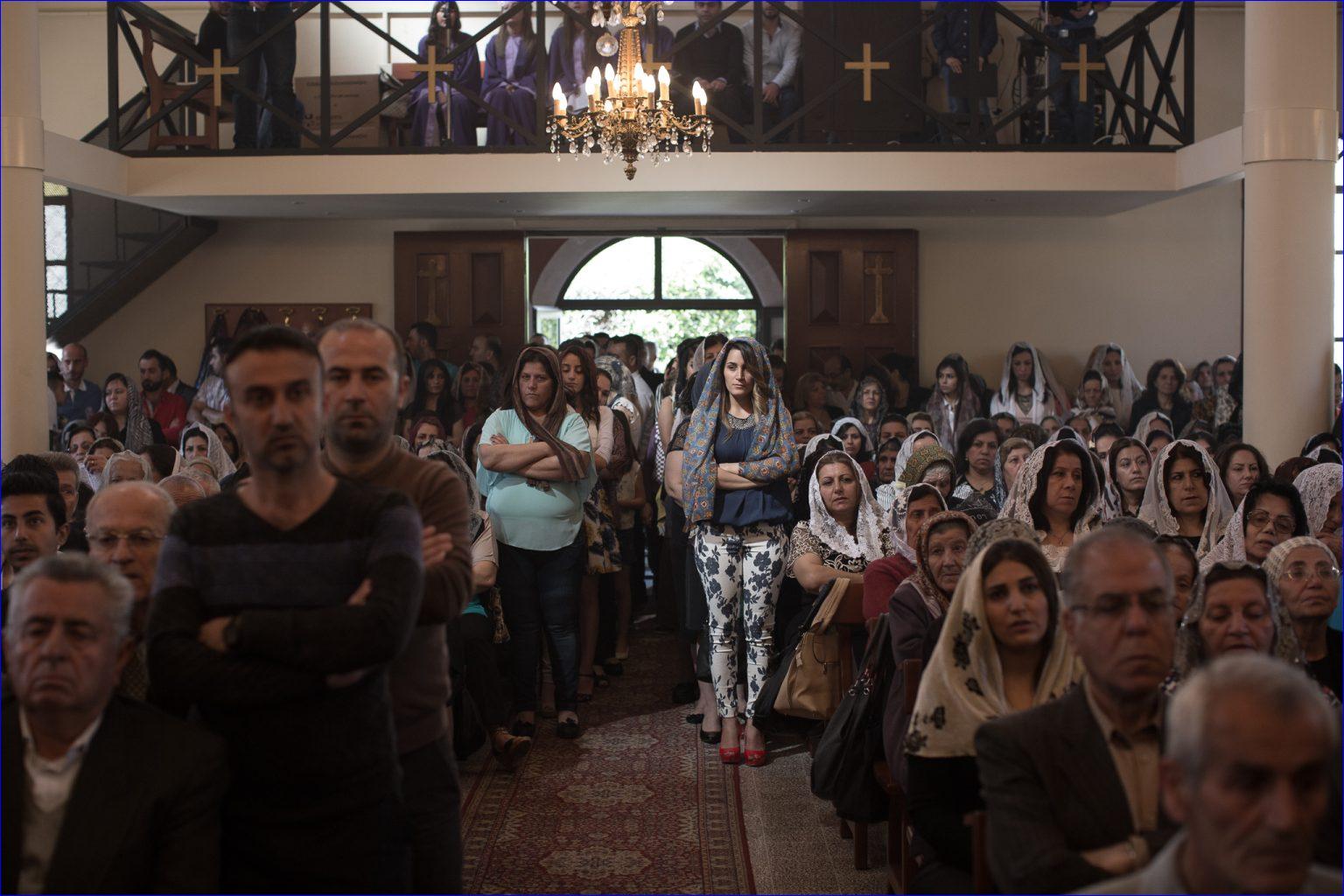 On an ordinary August evening in 2014, Mariam was preparing dinner while her husband, Nabil, closed the small repair shop his family had owned for decades. Their two children were arguing over who would use the television first. Somewhere in the distance, a church bell sounded.
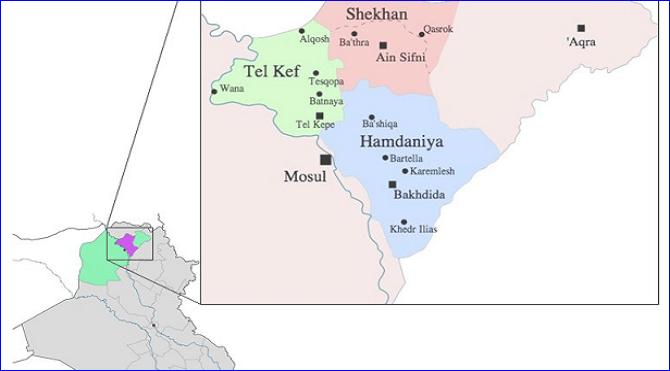 Nineveh Plain, North Iraq -- As the United States has completed its military withdrawal from Iraq, Joseph Sliwa, a former member of the Iraqi Parliament and head of the Bethnahrin Patriotic Union (HBA), argues that the departure should be viewed less as a security vacuum than as a test of the Iraqi state's ability to consolidate control over the country's disputed and vulnerable regions.
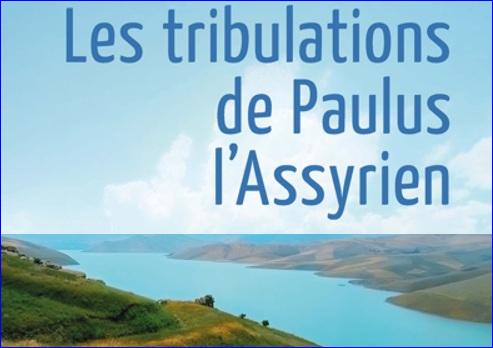 (AINA) -- In her new book, Claire Weibel Yacoub recounts the odyssey of an Assyrian in a historical novel about exile, war, and the unbroken will of a people. With Les tribulations de Paulus l'Assyrien (The Tribulations of Paulus the Assyrian), the French historian and specialist on the Assyro-Chaldean question, Claire Weibel Yacoub, presents a moving novel based on a true story.
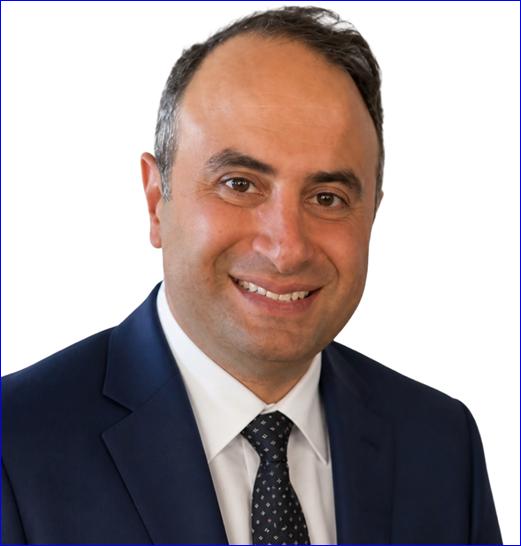 Hamilton, Ontario Canada (AINA) -- Dr. Nenos Damerchie, an Assyrian-Canadian chiropractor, small-business owner and longtime Hamilton resident, is running for Hamilton City Council in Ward 8 in the October 26, 2026 municipal election. Dr. Damerchie was born in Kuwait to an Assyrian family and came to Hamilton as a child.
 (AINA) -- The Assyrian Arts Institute (AAI) is an organization founded by Nora Betyousef Lacey in 2017 and claims to support Assyrian arts. AAI has sponsored a few events since its founding, including an Assyrian women's choir.
 (AINA) -- On July 12 Iraqi president Abdul Latif Rashid repealed the decree recognizing the appointment of Cardinal Louis Raphael Sako as head of the Chaldean Catholic Church and which appointed him to the office of the waqf (وقف), the endowment which oversees all church property. The details of the events leading up to this action are exhaustively covered in this report by MEMRI.
 (AINA) -- "The empires of the future are the empires of the mind." With this celebrated statement, Winston Churchill anticipated that great civilizations are measured not by their territorial expansion, but by their capacity to generate, preserve, and transmit knowledge.
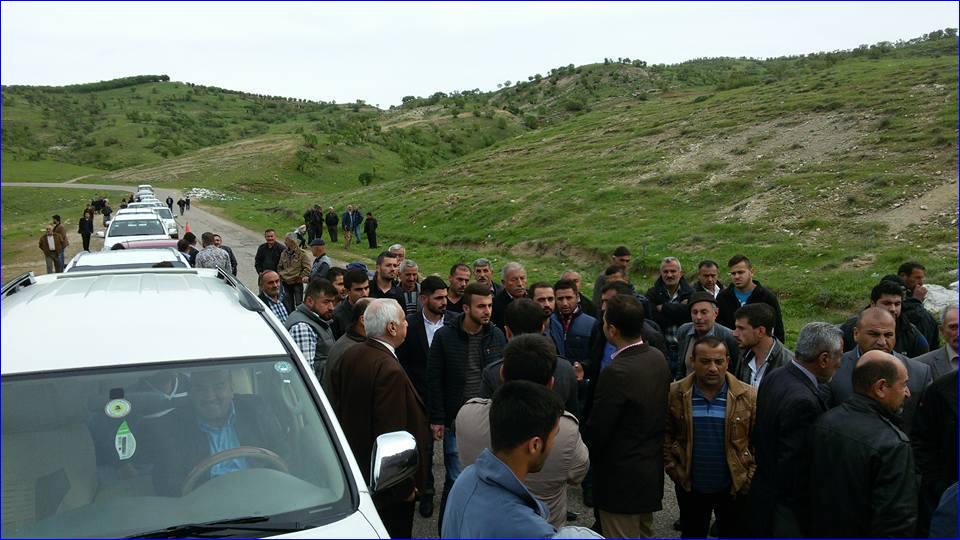 (AINA) -- For decades, the world has heard repeated claims that northern Iraq is a region of stability, security, and coexistence. However, many Assyrians living in their ancestral homeland continue to express serious concerns about intimidation, restrictions on their freedoms, and growing pressures that threaten their ability to preserve their identity, voice, and presence in the land of their...
Libraries must be able to adapt to the changing times. This aligns with what was once proposed by S.R. Ranganathan, the father of Library Science in India, in response to library services for its patrons.
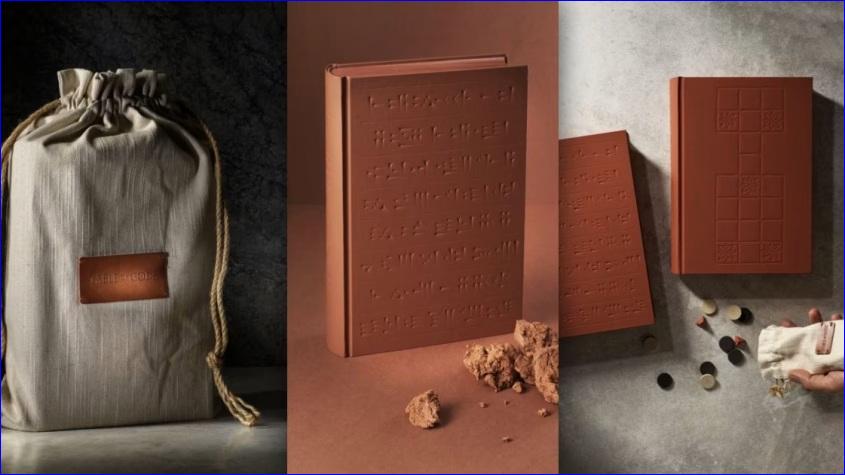 Stockholm -- The history of the ancient civilizations and peoples of Beth Nahrin (Mesopotamia), whom the Suroyo (Syriac--Aramean--Assyrian--Chaldean) people today regard as their ancestors, successors and continuation, extends far beyond science, inventions, economics, trade, language, and military affairs.