


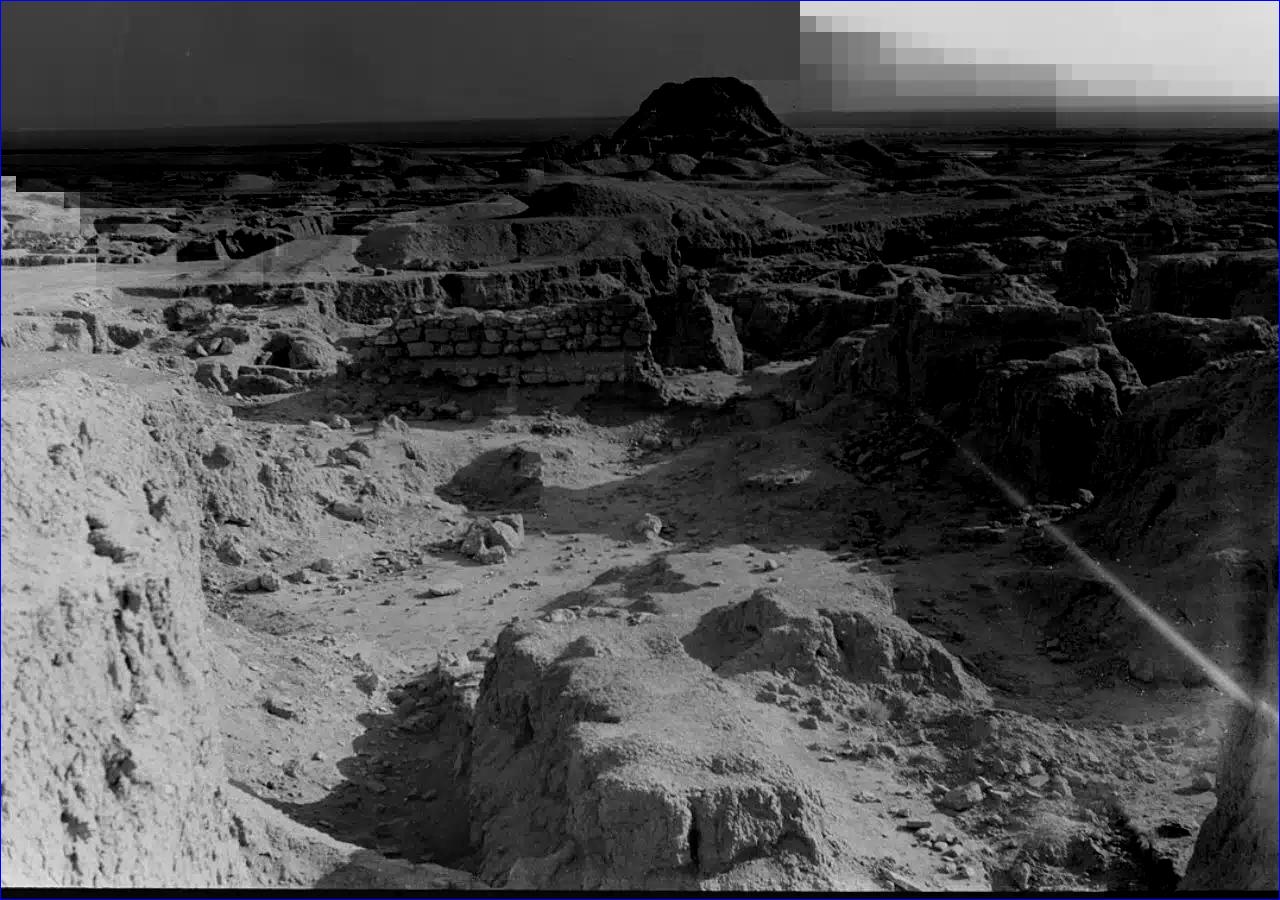
The building, identified by archaeologists as House N4, stood in the city of Aššur, the religious center of the Neo-Assyrian Empire. Researchers suggest it served not just as a family home but also as a place where apprentices studied written treatments and learned through practical work.
The study, published in the Kirkuk Journal of Medical Sciences, was written by Ghanim Alsheikh and Omar Mustafa. Drawing on earlier scholarship, it examines clay tablets linked to Kiṣir-Aššur, a healer and exorcist who lived in the seventh century B.C. The records help trace his training and career in unusual detail.
The family's teaching tradition appears to have lasted nearly 120 years, from about 725 to 614 B.C., and extended beyond its own relatives.
How an Assyrian house resembled the earliest medical schools
House N4 belonged to the family of Bāba-šuma-ibni, believed to have established a line of specialist healers. Its library held tablets concerning diagnosis, treatment and ritual practice. Some were copied and expanded by Kiṣir-Aššur as his responsibilities increased.
Training likely began in adolescence. Rather than only memorizing medical writings, learners worked with texts and participated in healing rituals. The researchers also describe exchanges between scholarly households, with trainees coming from other cities and from circles associated with Aššur's Gula temple.
At the time, medicine and religion were closely connected. Healers could diagnose symptoms, provide remedies, and perform incantations, reflecting beliefs that illness might have both natural and supernatural causes. Specialists described as exorcists and physicians often shared responsibilities.
Those practices differ sharply from modern medical science, although the household's apprenticeships, mentoring and gradual advancement have parallels in the way health professionals train today.
Excavated rooms and tablets reveal how healers worked
German archaeologists excavated the site from 1903 to 1914, and Iraqi teams investigated it during the 1970s and 1980s. The building included a red-painted room, a stone-paved courtyard, and a library. Another room contained burials, administrative tablets and a writing board, while protective objects were found beneath floors and thresholds.
The combination points to a household where teaching, treatment, recordkeeping and religious activities took place together. Several family members held the title "Exorcist of the House of Aššur," reflecting a shared professional tradition.
Alsheikh and Mustafa note that the evidence does not establish a formal college comparable to modern institutions. Instead, they suggest House N4 was an early center of organized training where specialized knowledge passed through successive generations of healers.
or register to post a comment.