


Related: The Treasures of Nimrud
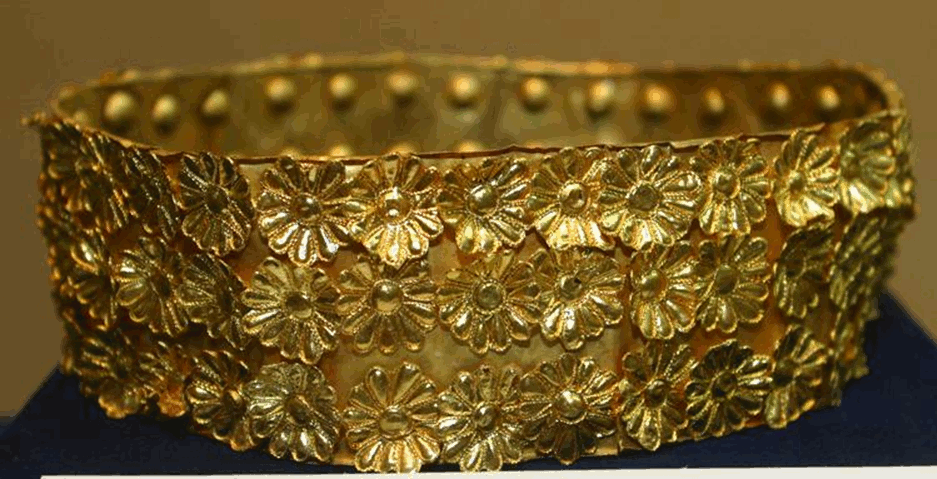
That changed dramatically beneath the floors of the Northwest Palace at Nimrud in northern Iraq. Iraqi archaeologists working there in the late 1980s uncovered a series of royal burials containing the remains and possessions of Assyrian queens, surrounded by extraordinary gold jewelry, precious stones, vessels, seals and ornaments that had survived for roughly 2,700 years.
The discovery ranks among the richest archaeological finds ever made in the ancient Near East. The University of Chicago's Institute for the Study of Ancient Cultures, which later published the tombs with Iraq's State Board of Antiquities and Heritage, concluded that their elaborate gold jewelry and other objects rivaled those from Egyptian royal tombs in both quality and quantity.
The comparison inevitably brings Tutankhamun to mind, but Nimrud tells a very different story. Instead of one young pharaoh preserved in a single famous burial, the palace concealed generations of royal women whose names -- Yabâ, Banītu, Ataliya and Hama among them -- suddenly emerged from beneath the floors of the Assyrian court.
or register to post a comment.