


Related: The Assyrian Genocide
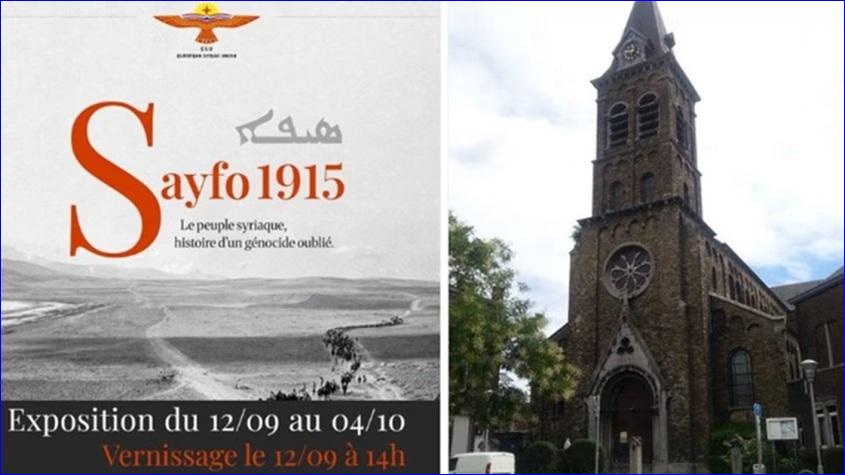
The exhibition will feature archival photographs and recorded testimonies from survivors of the genocide, documenting the severe suffering endured by the Assyrian people during that period, including mass killings and forced displacement suffered at the hands of Ottoman state and Kurdish tribal allies.
"Through archives, documents, and testimonies, the Sayfo 1915 exhibition traces the history of this indigenous people of Mesopotamia, decimated by violence, deportations, and forced migrations," the ESU previously stated. According to the organization, the exhibition aims to raise awareness among Belgian and European audiences about the Sayfo Genocide and its historical significance -- not only for the Assyrian people, but for all peoples who have suffered genocide and mass atrocities.
"The exhibition highlights more than a century of resistance, identity reconstruction, and cultural transmission within a diaspora now present in Belgium and across Europe. It also addresses issues that remain relevant today, including the survival of the Aramaic language, the preservation of a millennia-old heritage, and the recognition of this history in the public sphere."
The exhibition material will remain on display in the church until October 4. On that day, the documentary titled Silenced Scream (Assyrian: Zahqa dlo Kolo) will also be screened.
Earlier this year, the Sayfo material was exhibited in April in Woluwe-Saint-Lambert, in June in Anderlecht, and Woluwe-Saint-Pierre.
or register to post a comment.