


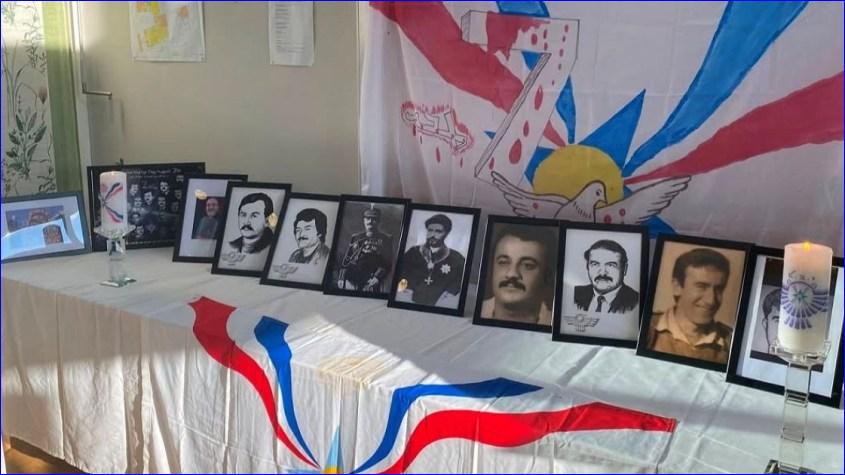
The event was held at the hall of the Old Eastern Church of the Virgin Mary.
Related: The 1933 Massacre of Assyrians in Simmele, Iraq
Led by Duraid Nona, the ceremony began with a minute of silence in tribute to the martyrs who sacrificed their lives for their people, land, cause and national existence.
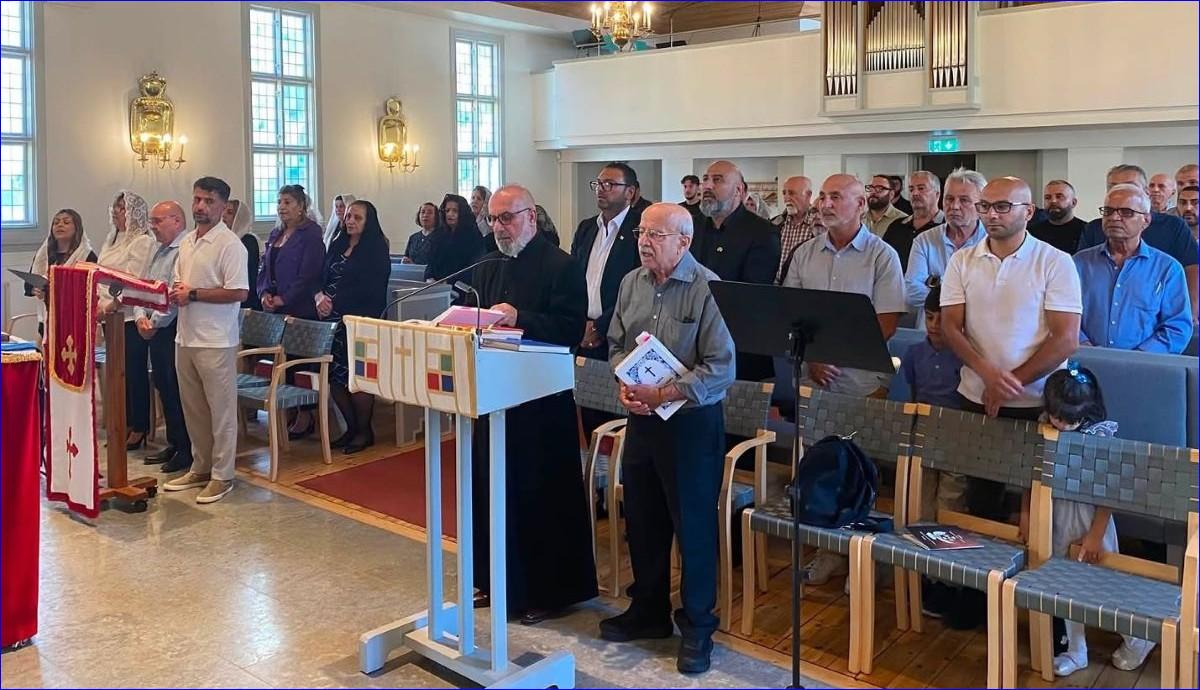
Following a symbolic procession, Father Warda Oraham, pastor of the Church of the Virgin Mary, led a prayer for the souls of the martyrs and delivered an address emphasizing the importance of remembering them and learning from their history, particularly the massacres and hardships they endured, including the 1933 Simmele Massacre.
Father Oraham said that remembering the past should not simply mean revisiting it but should provide an opportunity to draw lessons from history and prevent similar tragedies and suffering from being repeated.
He stressed that Assyrian Martyrs' Day is not merely an ordinary commemoration, but an occasion to reflect on painful and difficult chapters in the history of the Assyrian people and their martyrs, remember their sacrifices, and renew the commitment to the causes for which they gave their lives.
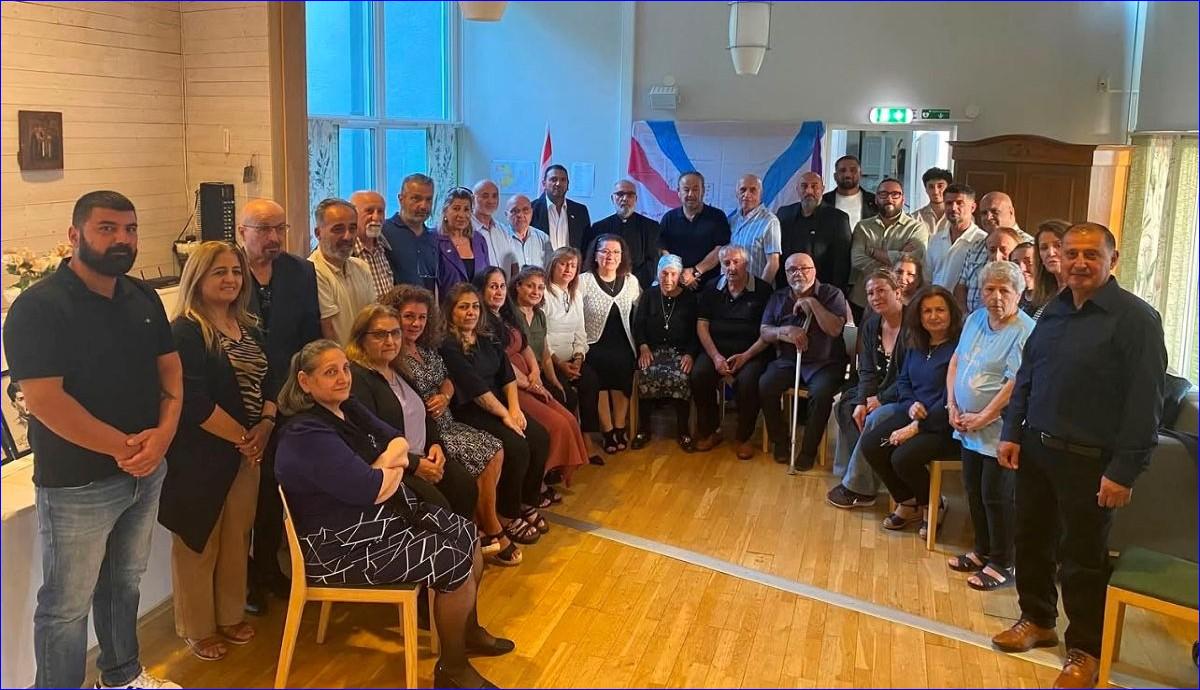
Following Father Oraham's address, organizers screened a documentary about the massacre, followed by several speeches, including an address on behalf of Zowaa delivered by Robert Shmuel, head of its Scandinavia district, as well as remarks by media professional Edison Hido and Maria Baruta.
The speakers reflected on the memory of the Simmele Massacre and its historical significance as a painful and tragic episode that left a deep wound in the collective national and human memory and became a symbol of the suffering endured by one of the world's oldest peoples.
They also reviewed major episodes, massacres, tragedies and hardships suffered by the Assyrian people over the past centuries and during the modern era.
The speakers stressed that national identity represents a moral responsibility toward the past, present and future, and that honoring the martyrs means preserving the people's identity, language and heritage while protecting future generations from assimilation and cultural loss.
Participants affirmed that martyrdom would remain a deeply rooted value and conviction in the minds and consciences of the Suraya people, given the intellectual and cultural legacy left by the martyrs and the path they passed down for successive generations to follow.
or register to post a comment.