


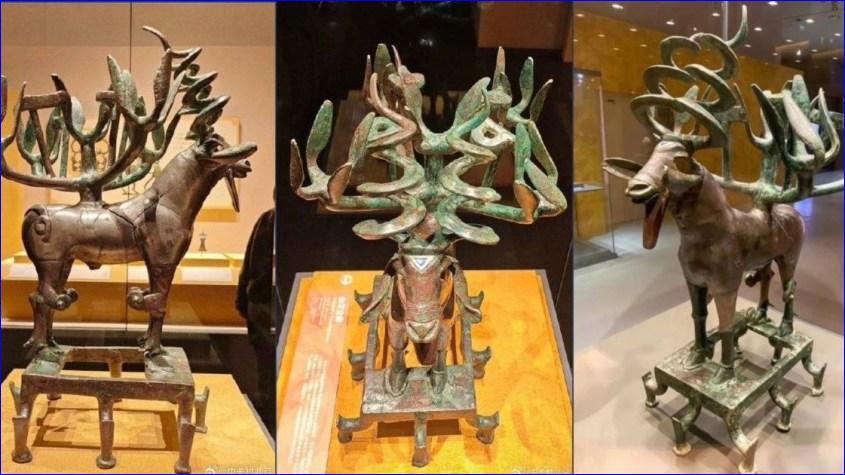
In an interview with Shafaq News, Iraqi archaeologist Amer Abdul Razzaq has urged the authorities in Baghdad to pursue legal action and urgently intensify diplomatic efforts to protect the archaeological artifacts of this ancient civilization. As an example of Bethnahrinian artifacts located abroad, Abdul Razzaq pointed to a bronze goat statue distinguished by a rare and unique artistic design in the history of ancient Beth Nahrin. "This piece is not displayed in official Kuwaiti museums but is currently part of a private collection belonging to the Al-Sabah Collection of antiquities." He noted that "the collection also owns other Iraqi artifacts that participated last year in an international exhibition held in the People's Republic of China."
Abdul Razzaq issued an urgent appeal to the Iraqi Ministry of Foreign Affairs, the government, and parliament, stressing "the need to open a broad investigation into the circumstances surrounding the theft of this artifact and how it reached Kuwait. And to demand that the Kuwaiti authorities immediately return it, as it represents a national heritage that cannot be privately owned or traded." He further called on all parties to "pressure for the protection of Iraq's historical identity and the recovery of looted treasures that have recently appeared in private collections and international forums outside the country."
According to Abdul Razzaq, Baghdad must investigate how these archaeological pieces found their way out of Iraq and how they ended up in Kuwait. Private possession of such antiquities is illegal under international cultural heritage laws.
or register to post a comment.