


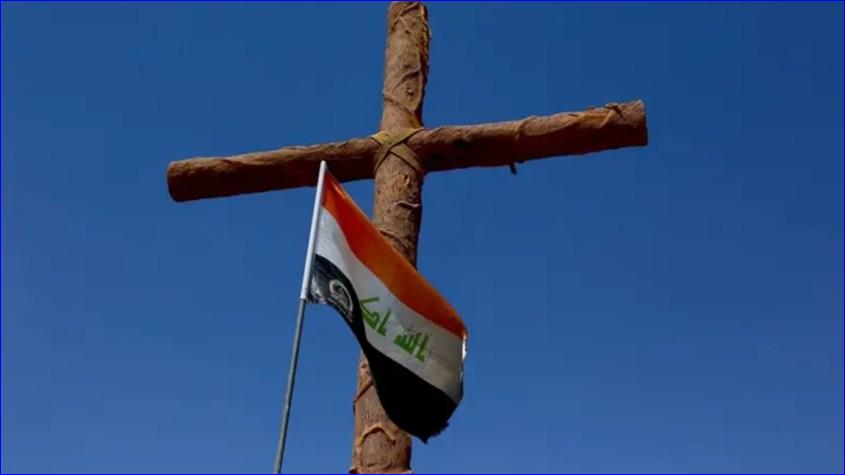
In this context, the Patriarchate of the Chaldean Catholic Church issued a frank and courageous statement on 10 January 2026 [now deleted], addressing the real reasons behind the continued wave of Christian emigration. The statement did not appeal to emotions, it pointed directly to the wounds of the state itself. It went beyond describing the outcomes but named the roots of the problem: political instability, weak state institutions, widespread corruption, rising unemployment, and the deterioration of basic public services. These crises affect all Iraqis, but they strike minorities more deeply and make them more vulnerable than they already are.
Christians, like other Iraqis, have endured years of violence and marginalization, but they were among the communities most severely harmed by forced displacement and attacks during the ISIS takeover of Mosul and the Nineveh Plains. The scars of that period remain deeply embedded in the collective memory, generating a lasting sense of fear and insecurity and eroding confidence in the possibility of a stable future inside the homeland.
The statement of the Patriarchate of the Chaldean Catholic Church also clearly highlighted the ongoing violations against Christians, whether in terms of their property, their employment or their symbolic and cultural presence. It warns of attempts to erase their religious and historical heritage, all in the absence of real accountability for those responsible and amid a weak state commitment in protecting their constitutional rights as equal citizens. Such neglect does not threaten Christians alone, it undermines the very idea of citizenship and weakens the foundations of a just state.
In a brave internal reflection, the statement also acknowledges the complex reality within the church institution itself. Positions vary between leaders who hesitate or feel unable to act and others who are constrained by money and power. On the other hand, there are courageous and principled voices that still uphold the morality of the church and its humanitarian mission with integrity. These voices remain a source of hope in defense of the Christian community, its dignity, and its right to survive.
The call for unity among Christian political parties, for coordination among the churches, and for openness toward sincere national allies at home and abroad is not a political luxury. It is an existential necessity to stop the bleeding of emigration and to secure basic rights such as safety, employment, justice, and genuine participation in decision-making. Diversity is not a burden on Iraq; it is one of the pillars of its historical strength.
Christian emigration is not a matter of numbers or statistics. It is a mirror reflecting the crisis of the state and its institutions. Any serious national project to preserve this ancient community requires real reform, effective justice, and equal citizenship, moving beyond rhetoric to concrete action. The church's moral and spiritual message is also called today to translate into practical initiatives that protect people, safeguard diversity, and restore trust that Iraq can once again be a home for all.
An Iraq that loses its Christians loses part of its history. An Iraq that protects its diversity protects its future.
or register to post a comment.