


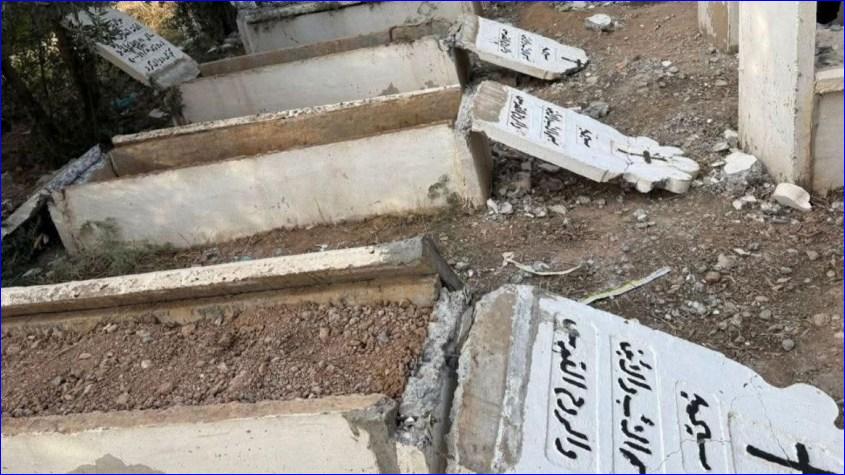
Unknown individuals desecrated multiple Christian graves, smashing headstones and breaking into burial sites. The crime extended beyond violating the sanctity of the living, reaching the dead in their graves.
The attack sparked broad religious, political, and civil condemnation. The Assyrian Democratic Movement (ZOWAA) said the assault represents "a new link in a chain of similar incidents that Christian cemeteries and sacred sites have faced in recent years in several areas of the region, including Shaqlawa, Tel Keppe, Zakho, and Simele," warning that such acts reflect the spread of extremist ideas hostile to religious and ethnic diversity and undermine the very foundations of civil peace in the KRI.
ZOWAA questioned the motives behind the crime and the targeted nature of attacks on cemeteries, asking whether "the dead pose any danger to those committing such acts." The movement said the incident deepens local anxieties and reinforces the need for firm measures to protect religious and heritage sites.
It added that desecrating cemeteries is not merely vandalism but "an affront to the dignity of the dead and to the memory of communities rooted in their historical heritage and connection to their land."
The Independent Human Rights Commission in the KRI, led by Assyrian jurist Muna Yaqo, denounced the crime as a "clear assault on the sacred sites of Christians and on the history of shared coexistence in the KRI." The Commission said the attack was carried out with intent, aimed at inciting sedition and destabilizing security, and called on authorities to conduct a swift and serious investigation to identify the perpetrators and bring them to justice.
The Chaldean Patriarchate, headed by Patriarch Cardinal Mar Louis Raphaël Sako, also condemned the incident, saying that such an assault on the dead is morally and religiously unacceptable. It noted that Christians in Iraq have long paid a heavy price for conflicts in which they are not involved and urged officials in the KRI to carry out a professional and transparent investigation. The Patriarchate warned that neglecting the case could trigger a new wave of migration.
The office of KRI Prime Minister Masrour Barzani stated that the crime stands in stark contrast with the region's values of coexistence and described the act as alien to Kurdish society. It called on the security authorities to identify the perpetrators and enforce legal penalties.
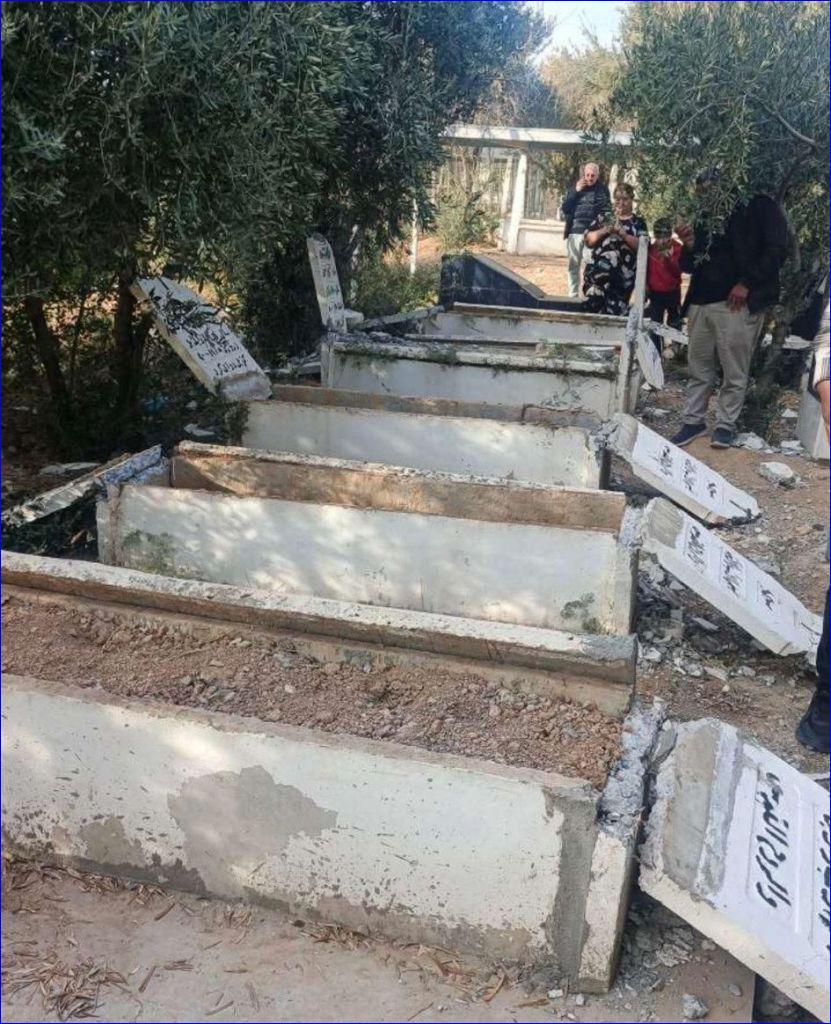
Two members of the KRI Parliament, Rami Nuri Siawosh and James Hasdo Haido, also condemned the attack, saying it targeted all communities and everyone who believes in pluralism and peaceful coexistence. In a joint statement, they expressed deep concern over the desecration of more than 15 graves and affirmed that Christians -- Assyrians, and Armenians -- are an integral part of the social fabric of the KRI and Iraq. They voiced support for Barzani's directive to investigate the crime and praised his decision to rebuild and restore the cemetery.
Despite its small size, Armota is home to two churches -- Our Lady Church and Mar Mikhael Church -- as well as a shrine dedicated to Saint Mart Shmoni. Most of its residents belong to the Chaldean Catholic denomination, forming a largely Assyrian population. The cemetery that was attacked had been renovated only four years ago with support from the Shlama Foundation for Relief and Development.
or register to post a comment.